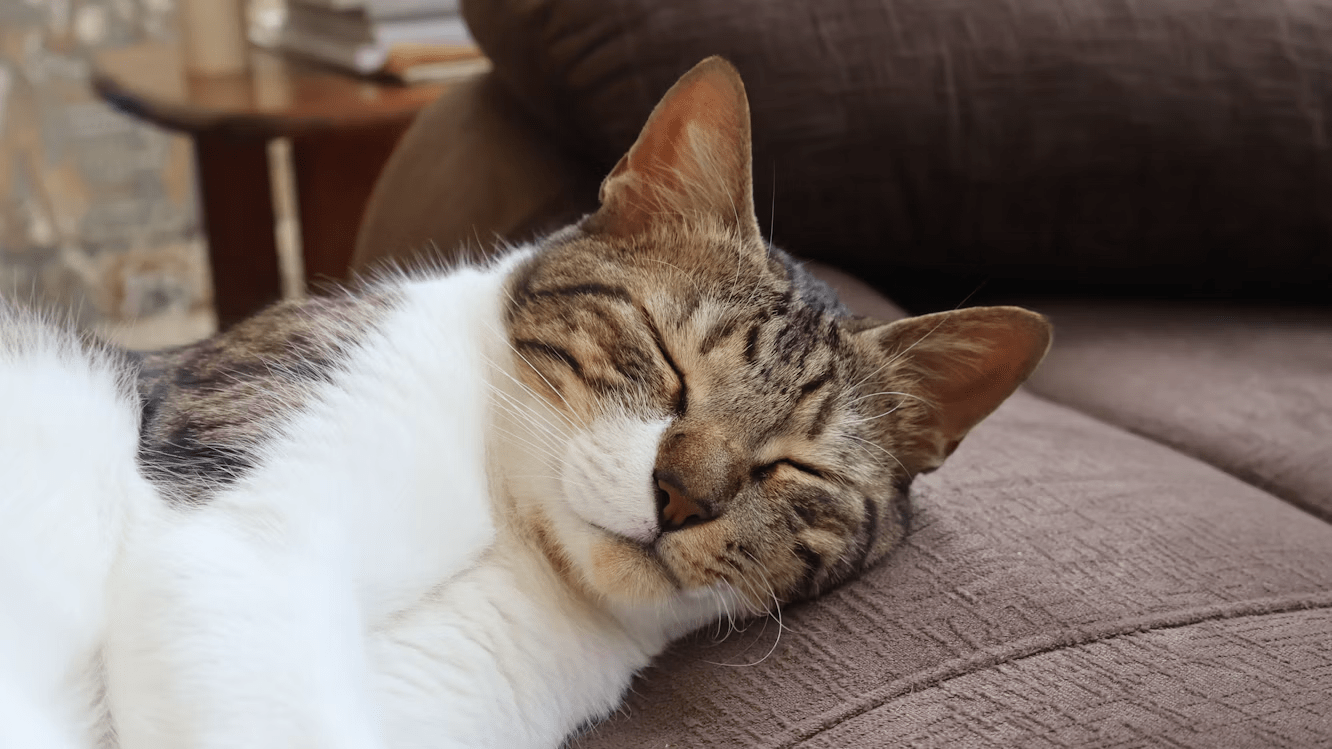
Welcoming a cat into your home brings years of companionship, but the bond you share with a senior feline is truly special. As they enter their golden years, these cherished family members rely on us more than ever for comfort, health, and happiness. Caring for an older cat is a journey that combines deep affection with increased responsibility, meaning we need a thoughtful approach to their changing needs.
This shift from a sprightly adult to a serene senior is a natural part of their life. With a little knowledge and preparation, you can make sure their later years are as peaceful and comfortable as possible. It’s a time to give back all the love and joy they’ve given you.
Understanding Your Senior Cat’s Needs
Most cats are considered ‘senior’ around 11 years old, and those over 15 are often called ‘geriatric’. Just like people, ageing brings a variety of physical and behavioural changes.
One of the first things you might notice is a change in their activity levels, much like what to expect from a health check-up for humans. Those frantic midnight zoomies might give way to longer, deeper naps in a favourite sunbeam. You might also see changes in how they move, as stiff joints can make jumping onto high surfaces a challenge.
It’s also common for their senses to dull. A decline in hearing or vision can sometimes make them seem unresponsive or easily startled. Their appetite and thirst might also fluctuate, which is always something to watch closely. Pay attention to subtle behavioural shifts too; some older cats become more vocal, perhaps due to confusion or hearing loss, while others might become clingier and seek more reassurance from you.
Understanding these changes is the first step in giving them the right support. The loving care for older cats involves patience and careful observation to notice what they need before they show signs of distress.
Creating a Comfortable Home Environment
Making a few adjustments around your home can greatly improve your senior cat’s quality of life. The goal is to create a safe, accessible, and comfortable space that suits their reduced mobility and energy levels. Think about their daily routine and spot any potential obstacles.
First, make sure their key resources are easy to reach. This means putting food and water bowls, litter trays, and beds on the ground floor if you live in a multi-storey house. If your cat has always loved sleeping on your bed or a specific armchair, provide a ramp or pet stairs so they can still get to their favourite spots without risking a painful jump. Consider a litter tray with a lower entry point to make it easier for them to get in and out, which can help prevent accidents.
Comfort is key. Extra-soft, warm bedding will be greatly appreciated by ageing joints. You might even consider a gently heated cat bed for the colder months; just make sure it’s a vet-approved model with safety features. Keeping a consistent routine is also reassuring for older cats, especially those experiencing cognitive decline. Predictable mealtimes and household comings and goings help reduce their anxiety. Thoughtfully adapting your home shows your feline friend you are attentive to their evolving needs.
Regular Health Checks and Preventative Care
As cats get older, they become more prone to various health issues. Many of these can develop quietly without obvious symptoms at first. This is why regular vet check-ups are so important for senior felines. Most vets recommend twice-yearly visits for cats over ten. These appointments let your vet establish a health baseline and catch potential problems like kidney disease, thyroid issues, arthritis, and dental disease before they become severe.
During these check-ups, your vet will likely do a thorough physical examination, take blood and urine samples, and discuss any changes you’ve noticed at home. Dental health is especially important, as painful teeth or gums can stop a cat from eating properly, leading to weight loss and other complications. These regular visits and any necessary follow-up treatments can add up, so it’s smart to be ready for the financial side of senior pet care.
Many owners find that having comprehensive senior cat insurance provides a safety net, helping to cover the costs of diagnostics, treatments, and medications. Following professional senior cat care tips from your vet is the best way to proactively manage their health.
Planning for Unexpected Veterinary Costs
While preventative care helps manage long-term health, unexpected accidents and illnesses can still happen. For an older cat, an issue that might have been minor when they were younger can quickly become serious, often needing urgent and expensive vet intervention. A sudden illness or injury can lead to bills for emergency consultations, diagnostic imaging like X-rays or ultrasounds, hospitalisation, and specialist procedures.
Being financially prepared for these possibilities can relieve a huge amount of stress during an already emotional time. One approach is to set up a dedicated savings account specifically for your cat’s medical needs, putting a small amount into it each month. This creates a buffer you can use when an emergency arises.
Your cat depends on you to make decisions about their care, and being financially prepared ensures you can make those choices based on their best interests, not on cost.
Cherishing Every Moment Together
Beyond the practicalities of vet visits and home adjustments lies the simple, profound joy of sharing your life with an older cat. Their pace of life slows down, inviting you to do the same. This is a time for quiet connection and appreciating the deep bond you’ve built over many years. Your senior cat may not be interested in chasing laser pointers anymore, but they will still enjoy gentle interaction.
Find new ways to play and connect. A soft feather wand waved gently in front of them or simply sitting with them while you stroke their fur can be a wonderful source of comfort for both of you. Pay attention to their cues; they will let you know what they enjoy. Grooming becomes more important as they may struggle to do it themselves, and a soft brush can be a lovely bonding experience.
Most importantly, be present. Notice the little things: the way they purr when you enter the room, their contented sigh as they settle into their favourite bed, or the gentle head-butt against your leg. Take photos and videos to capture these precious moments. The time we have with our pets is finite, and caring for them in their final years is a privilege. Every quiet evening and every gentle purr is a memory to be treasured.
Providing this level of care for your ageing companion is a final, beautiful act of love. By meeting their changing needs with patience and compassion, you ensure their golden years are filled with dignity, comfort, and affection.