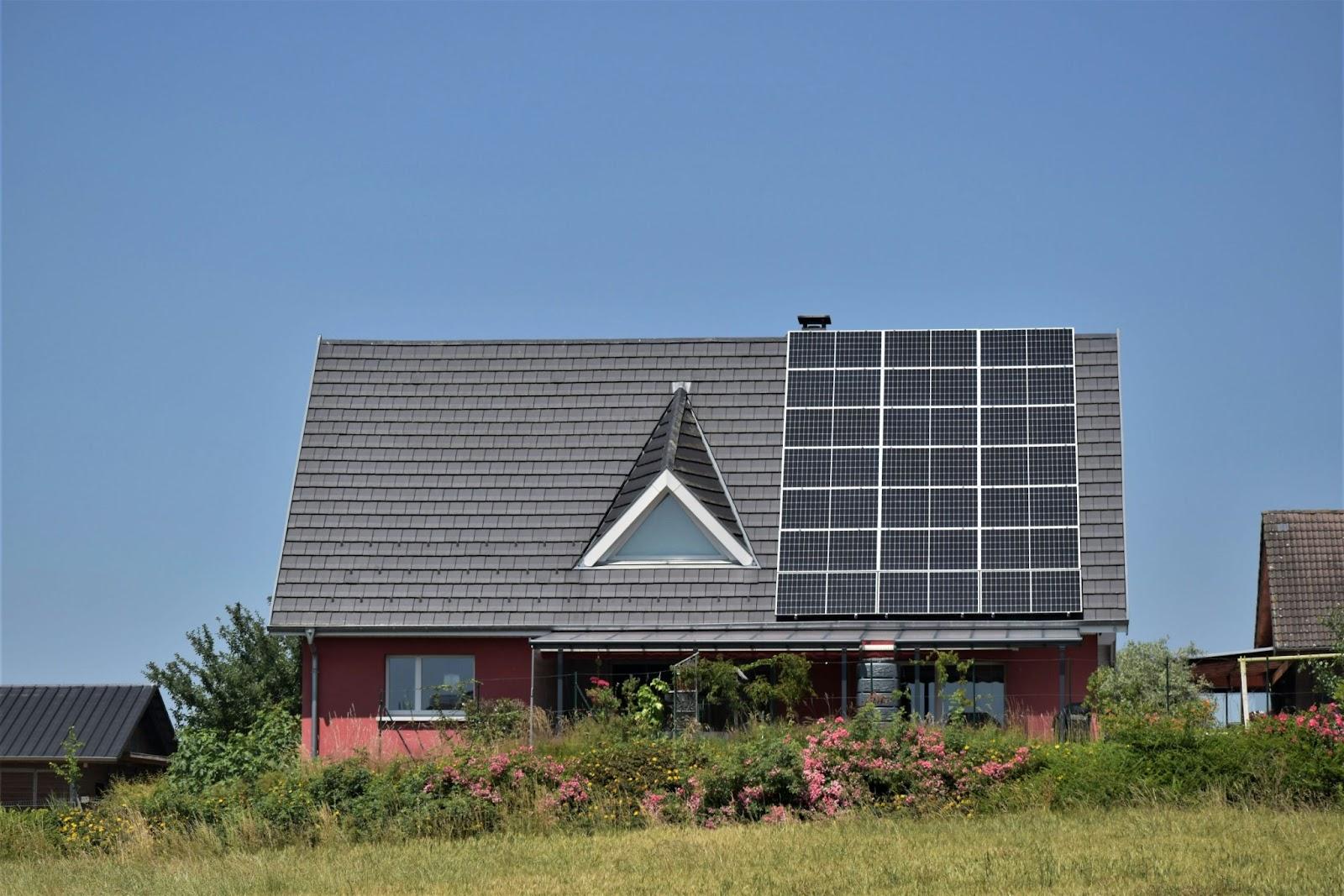
In recent years, the push towards clean energy has gained significant momentum, driven by growing environmental concerns and the need to reduce household energy costs. Upgrading your home with clean energy solutions is not only beneficial for the planet but also offers long-term financial savings and increased energy independence. This guide will explore practical ways to transition your home to clean energy, highlighting key technologies, government incentives, and tips for making the switch.
1. Clean Energy Solutions for the Home
Several clean energy technologies can transform your home into a more sustainable and efficient space. Below are some of the most popular and effective options.
a. Solar Panels
Solar panels convert sunlight into electricity, making them a popular choice for homeowners seeking clean energy. They can be installed on rooftops or ground-mounted in suitable locations. Advances in technology have made solar panels more efficient and affordable, with many systems capable of powering an entire home.
Benefits:
- Reduced electricity bills
- Potential to sell excess energy back to the grid
- Minimal maintenance requirements
Considerations:
- Initial installation costs can be high
- Requires adequate sunlight and roof space
b. Heat Pumps
Heat pumps are a highly efficient way to heat your home. They work by extracting heat from the air or ground and transferring it indoors. Air source and ground source heat pumps are the two main types, with both offering significant energy savings compared to traditional heating systems.
Benefits:
- Highly efficient, with potential savings of up to 50% on heating bills
- Can be used for both heating and cooling
- Long lifespan and low maintenance
Considerations:
- Higher upfront costs than conventional heating systems
- May require adaptations to existing heating infrastructure
c. Wind Turbines
For homeowners in rural or exposed locations, domestic wind turbines can provide a viable source of renewable energy. Small-scale turbines can generate sufficient electricity for household needs, particularly in areas with consistent wind.
Benefits:
- Potential for significant energy savings
- Low carbon footprint
- Suitable for off-grid living
Considerations:
- Installation can be costly and complex
- Requires planning permission and a suitable location
d. Energy Storage Systems
Energy storage systems, such as home batteries, allow you to store excess energy generated by solar panels or wind turbines. This stored energy can then be used during periods of low generation or peak demand.
Benefits:
- Maximises the efficiency of renewable energy systems
- Provides backup power during outages
- Helps reduce reliance on the grid
Considerations:
- High initial cost
- Limited storage capacity
2. Government Incentives and Support
The UK government offers various incentives to encourage homeowners to adopt clean energy solutions. These schemes can help offset the initial costs and make the transition more affordable.
One of the most notable initiatives is the Boiler Upgrade Scheme grant, which provides financial support for replacing traditional boilers with low-carbon heating systems, such as heat pumps. Additionally, the Smart Export Guarantee (SEG) allows homeowners to earn money by exporting surplus solar energy back to the grid.
It is advisable to research available incentives and grants, as these can vary depending on location and eligibility criteria.
3. Tips for a Successful Clean Energy Upgrade
Transitioning to clean energy requires careful planning and consideration. Here are some tips to ensure a smooth and successful upgrade:
a. Conduct an Energy Audit
An energy audit helps identify areas where your home is losing energy and highlights potential improvements. Professional energy assessors can provide detailed insights, but simple DIY checks can also be effective.
b. Prioritise Insulation and Efficiency
Before installing clean energy systems, ensure your home is well-insulated and energy-efficient. Proper insulation, double glazing, and draught-proofing will maximise the benefits of clean energy solutions.
c. Choose the Right Technology
Select the clean energy technology that best suits your home’s location, budget, and energy needs. For example, solar panels may not be ideal for a shaded property, while heat pumps require adequate outdoor space.
d. Hire Certified Installers
Ensure that your chosen installers are certified and experienced in fitting clean energy systems. Look for accreditation from bodies such as the Microgeneration Certification Scheme (MCS).
e. Monitor and Maintain Your System
Regular monitoring and maintenance will keep your clean energy system running efficiently. Many modern systems come with apps and online tools to help track performance.
In Conclusion
Upgrading your home with clean energy is an investment in the future, offering significant environmental, financial, and lifestyle benefits. By adopting technologies such as solar panels, heat pumps, and energy storage systems, you can reduce your carbon footprint and enjoy greater energy independence. With government support and careful planning, transitioning to clean energy has never been more achievable. Start your journey today and contribute to a more sustainable world.