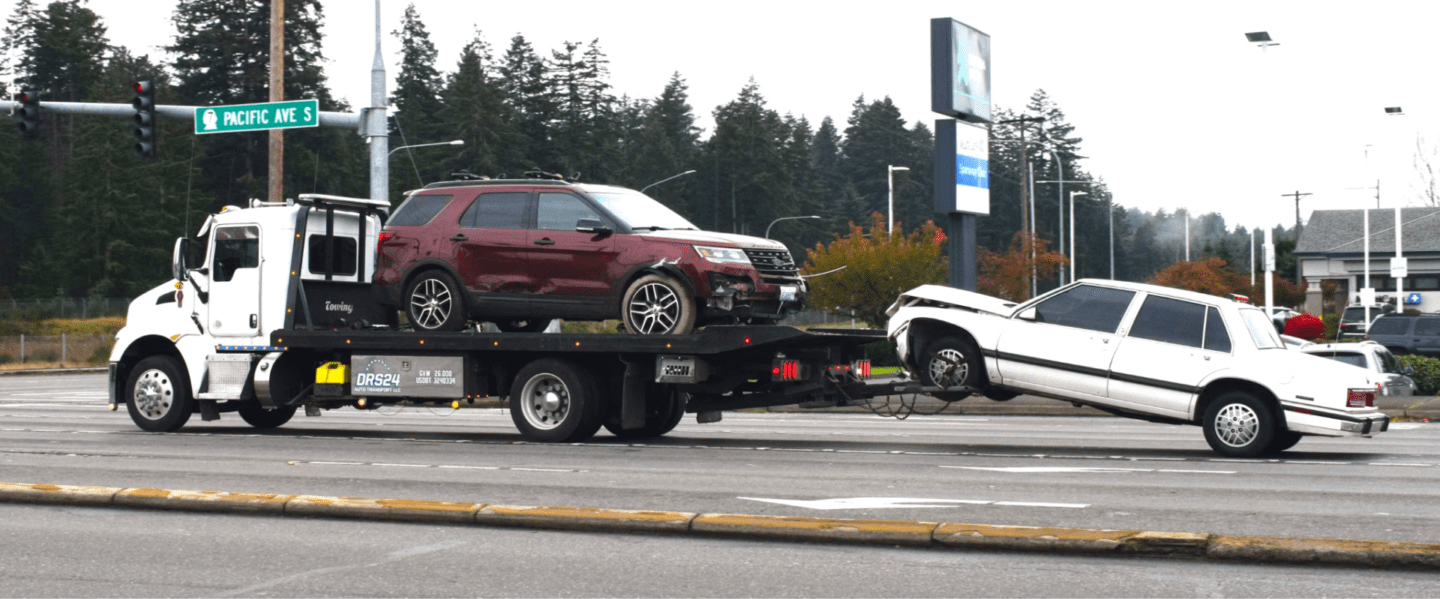
Discovering that your vehicle has been seized can be a stressful and confusing experience. One moment you expect your car to be where you left it, and the next, you are faced with an empty space and a rising sense of panic. This situation, whilst alarming, is manageable if you know the correct steps to follow. Understanding why a vehicle might be seized and what you need to do to reclaim it can help you navigate the process efficiently and minimise the financial impact.
This guide explains the common reasons for vehicle seizure in the UK, the immediate actions you should take, and how to handle the financial and administrative hurdles involved. With clear information, you can approach the situation methodically and work towards getting your vehicle back on the road.
Reasons for Vehicle Seizure
A vehicle can be seized by the police or other authorities for several reasons, most of which relate to legal compliance and public safety. One of the most common causes is a lack of valid insurance. Driving without at least third-party cover is a serious offence, and the police have the power to seize a vehicle on the spot if they suspect it’s uninsured.
Other typical reasons for seizures include:
- Licence offences: This includes driving without a valid driving licence for the type of vehicle you are operating or driving while disqualified.
- Lack of valid MOT or vehicle tax: All vehicles on public roads must be properly taxed and have a current MOT certificate if they are over three years old. Automated Number Plate Recognition (ANPR) technology makes it easy for authorities to spot non-compliant vehicles.
- Driving behaviour: The vehicle may be seized if it has been used in a manner that causes alarm, distress or annoyance, often referred to as anti-social driving.
- Obstruction or illegal parking: Vehicles left in a dangerous position or causing a significant obstruction can be removed.
- Involvement in crime: A vehicle may be seized if it is suspected of being used in criminal activity. The process for this can be more complex, sometimes involving the seizure of the vehicle for forfeiture proceedings.
Knowing the specific reason for the seizure is the first step, as it dictates the documents and actions required for its release.
The Initial Steps to Take
Once you realise your vehicle has been seized, acting quickly is crucial to prevent costs from escalating. Your first priority is to find out which authority took your car and where it is being held. If the police seized it, they should have left a seizure notice on the vehicle or sent one to the registered keeper’s address. This notice is a critical document that contains details about why it was seized and the location of the impound garage.
If you can’t find a notice, you should contact your local police station on its non-emergency number. You will need to provide your vehicle’s registration number. Once you have located your vehicle, you must visit the impound yard in person to reclaim it.
According to the official GOV website’s guidance on impounded vehicles, you have 14 days from the date of seizure to retrieve your car. If you fail to do so within this timeframe, your vehicle could be sold or scrapped. To release the vehicle, you will need to present a specific set of documents:
- Proof of identity: A valid passport or photo driving licence.
- Driving licence: Your physical driving licence.
- Proof of ownership: The V5C logbook showing you as the registered keeper.
- Valid insurance: Proof that the vehicle is properly insured.
Specialist Cover for Release
You must prove that the car has valid insurance before the impound will release it, but many standard annual policies do not cover a vehicle for release from a compound. Insurers may refuse to provide cover for a car that has been seized, especially if the seizure was due to a lack of insurance.
This is where specialist cover becomes necessary. To get your vehicle back, you will need to prove you have valid insurance, and often this means obtaining specialist impound insurance designed for this specific situation. These policies are specifically underwritten to satisfy the requirements of police and impound yards. They are typically short-term, often for 30 days, and provide you with the necessary motor insurance certificate to present to the authorities. This allows you to get the car released and gives you time to arrange a long-term insurance policy afterwards. Arranging this type of cover is usually a quick online process, which is vital when you are trying to stop daily storage fees from accumulating.
Financial Implications
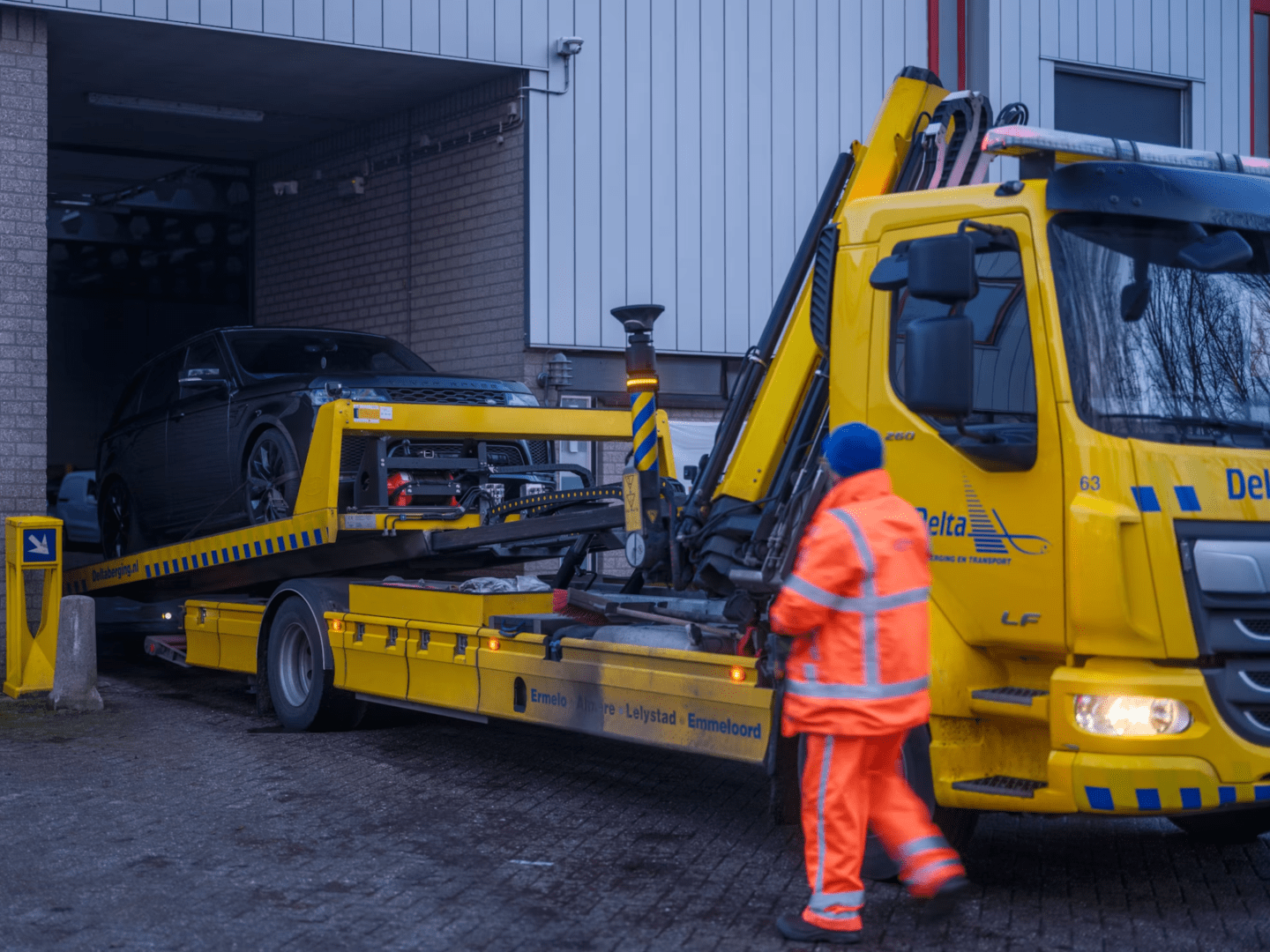
The costs associated with a seized vehicle can mount up very quickly, creating significant financial pressure. The expenses begin from the moment the vehicle is taken and continue to grow each day it remains in the impound. The primary costs you will face are:
- The seizure fee: a one-off statutory charge for the removal of the vehicle. This can be around £150 or more, depending on the size and condition of the vehicle.
- Daily storage charges: The impound yard will charge a fee for every day, or part of a day, that your vehicle is stored. This is often in the region of £20-£40 per day. After just one week, storage fees alone could add hundreds of pounds to your bill.
- Fines and penalties: On top of the seizure and storage costs, you will likely face a fine or fixed penalty notice for the original offence, such as driving without insurance. This can be several hundred pounds and may also result in points on your licence.
When you add the cost of specialist insurance and any necessary repairs or a new MOT, the total bill can easily run into many hundreds of pounds. The high costs and legal complexities, even with varying local laws, are consistent themes in vehicle seizures across jurisdictions.
Preventative Measures
The best way to avoid vehicle seizure is to stay on top of your car’s paperwork and key dates. Simple habits can help you avoid unnecessary stress and costs.
Set reminders for your insurance renewal, MOT and vehicle tax. Check that your insurance has renewed successfully rather than assuming it will happen automatically. GOV.UK also offers free reminders for some vehicle-related deadlines.
Make sure anyone who drives your car has the right insurance. You should also keep your V5C log book updated with your current address so you don’t miss important letters from the authorities. For unexpected repair costs, an extended vehicle warranty may also provide useful financial protection.
These steps can reduce the risk of your vehicle being seized and help you avoid costly problems. Keeping your documents and payments up to date is one of the simplest ways to keep your car on the road.