Are Pets a Good Barometer for Starting Family
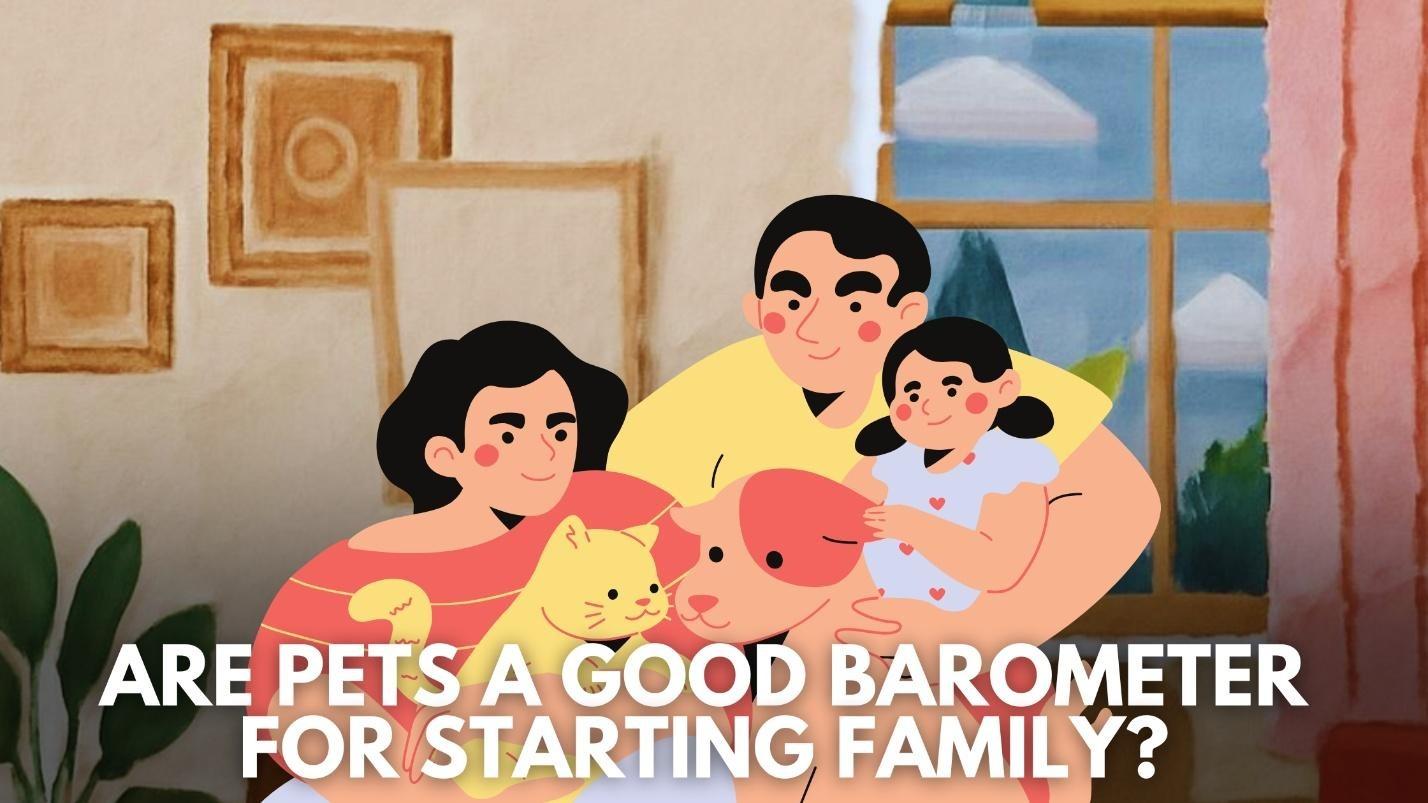
When it comes to family planning, many prospective parents wonder if there are subtle signs that might indicate readiness for children. One interesting area of discussion is the role of pets in gauging parental instincts and responsibility. Could having a pet actually be a barometer for deciding to have children? This article dives into the science, psychology, and practical insights behind this intriguing connection.
Meanwhile, if you are looking for a platform wherein you can enjoy card game plus other interactive games, visit GameZone Arcade games.
Understanding the Concept: Pets as a Test of Parenting
Pets, whether cats, dogs, or smaller animals like rabbits and guinea pigs, require daily care, attention, and emotional commitment. Many experts argue that the way individuals care for pets can mirror their readiness to take on the responsibilities of raising a child. Feeding, grooming, training, and addressing a pet’s health needs are all miniature versions of parenting tasks, allowing potential parents to evaluate their patience, consistency, and nurturing abilities.
Research suggests that pet ownership can improve emotional intelligence and empathy—two qualities essential in parenting. Caring for a living being that depends entirely on you can enhance your capacity for empathy, understanding, and compassion. If you consistently provide care for a pet, it can be an encouraging sign that you might also handle the demands of raising children well.
Emotional Benefits of Pets and Parental Readiness
Studies have shown that pet owners often experience lower stress levels and higher emotional stability. Pets can act as emotional regulators, providing comfort during difficult times and encouraging routine and responsibility. For couples considering children, pets offer a unique lens to observe interactions, problem-solving, and teamwork in caregiving.
For example, managing a pet’s illness or behavioral issues requires patience, planning, and resilience. These same skills are directly transferable to raising a child, who will need guidance, support, and nurturing over many years. Observing your reactions and emotional responses to a pet’s needs can provide valuable insight into how you might respond to the challenges of parenthood.
Pets and the Development of Parenting Skills
Pets can teach essential skills such as:
- Time Management: Regular feeding schedules, walks, and vet visits require organization and planning.
- Financial Responsibility: Pets can be expensive, from food to medical care. Managing these costs mirrors the financial commitment of having a child.
- Problem Solving: Training a pet or dealing with behavioral issues encourages creative solutions—just like addressing children’s developmental or emotional needs.
- Empathy and Nurturing: Responding to a pet’s distress or illness strengthens compassion, an essential trait for parents.
By mastering these skills with pets, individuals can build confidence and self-awareness that translates into parenting competence.
When Pets Might Not Predict Parenthood Readiness
While pets can offer insights into nurturing tendencies, they aren’t foolproof indicators. Caring for a pet is different from raising a child in several ways:
- Duration and Complexity: Raising children involves decades of commitment, whereas pets have shorter life spans and less complex needs.
- Societal Expectations: Parenting comes with social, educational, and legal responsibilities that pets do not demand.
- Emotional Depth: While pets respond emotionally, they do not experience the complex cognitive and social needs of children.
Therefore, while pet ownership can suggest some readiness traits, it shouldn’t be the sole deciding factor in family planning. Other indicators such as financial stability, emotional maturity, and lifestyle considerations remain crucial.
Psychological Insights: The Pet-Parent Analogy
Psychologists often use the concept of a “pet-parent analogy” to explore human behavior. People who successfully nurture pets tend to demonstrate patience, empathy, and reliability—traits that also support healthy child development. However, some research indicates that overattachment to pets can sometimes mask a reluctance to take on the responsibilities of raising a child.
Balancing affection for pets with the recognition of human parenting responsibilities is key. Pet owners who see their pets as family members may develop strong nurturing skills but should also assess their readiness for the additional complexity and long-term commitment of raising children.
Cultural Perspectives on Pets and Family Planning
In many cultures, pets are considered companions rather than children. For example, in urban households, pets often fill emotional needs, giving owners a sense of fulfillment without the responsibilities of parenthood. However, in rural or family-centered communities, caring for animals can directly prepare individuals for child-rearing responsibilities, such as feeding, protection, and health monitoring.
Understanding your cultural context and personal motivations for having pets can clarify whether pet ownership aligns with your readiness for children.
Practical Tips for Using Pets as a Barometer
If you are considering whether having a pet can inform your decision about children, here are some practical tips:
- Observe Your Routine: Are you consistent in feeding, exercising, and grooming your pet? Consistency is key in parenting.
- Evaluate Emotional Response: How do you handle your pet’s stress, illness, or misbehavior? Your reactions may mirror how you’d respond to a child.
- Consider Lifestyle Adjustments: Pets require sacrifices and schedule adjustments. Are you willing to make similar changes for a child?
- Financial Planning: Analyze your ability to cover unexpected pet-related expenses. This can indicate financial readiness for a child.
- Teamwork in Shared Households: If you have a partner, observe how you share pet responsibilities. Effective co-parenting begins with teamwork in caregiving.
Conclusion: Pets as a Reflection, Not a Guarantee
While pets can serve as a useful barometer for assessing nurturing abilities, they are not a definitive predictor of parenting success. Pet ownership highlights essential qualities such as patience, empathy, and responsibility, which are transferable to child-rearing. However, raising children involves unique emotional, social, and financial challenges that go beyond caring for pets.
Ultimately, pets provide a valuable, low-risk environment to practice and evaluate caregiving skills. Observing your behavior, emotional responses, and lifestyle adjustments as a pet owner can offer meaningful insights into your readiness for parenthood. Combining these observations with other key factors—such as emotional maturity, financial stability, and support systems—will give a more holistic perspective on family planning.
For those who love animals and are considering children, pets can be both a joy and a mirror, reflecting your potential as a caregiver. By approaching pet ownership thoughtfully, you gain not only companionship but also a glimpse into the qualities that may make you a successful parent.