Empathy is often talked about as something that needs to be taught properly, step by step. In reality, it tends to grow in quieter ways. Children pick it up from everyday behaviour. From tone. From reactions. From the small, repeated moments that feel ordinary but quietly shape how they see the world. It shows up in how emotions are handled at home. How tension is managed. How kindness is treated when there is no praise attached to it.
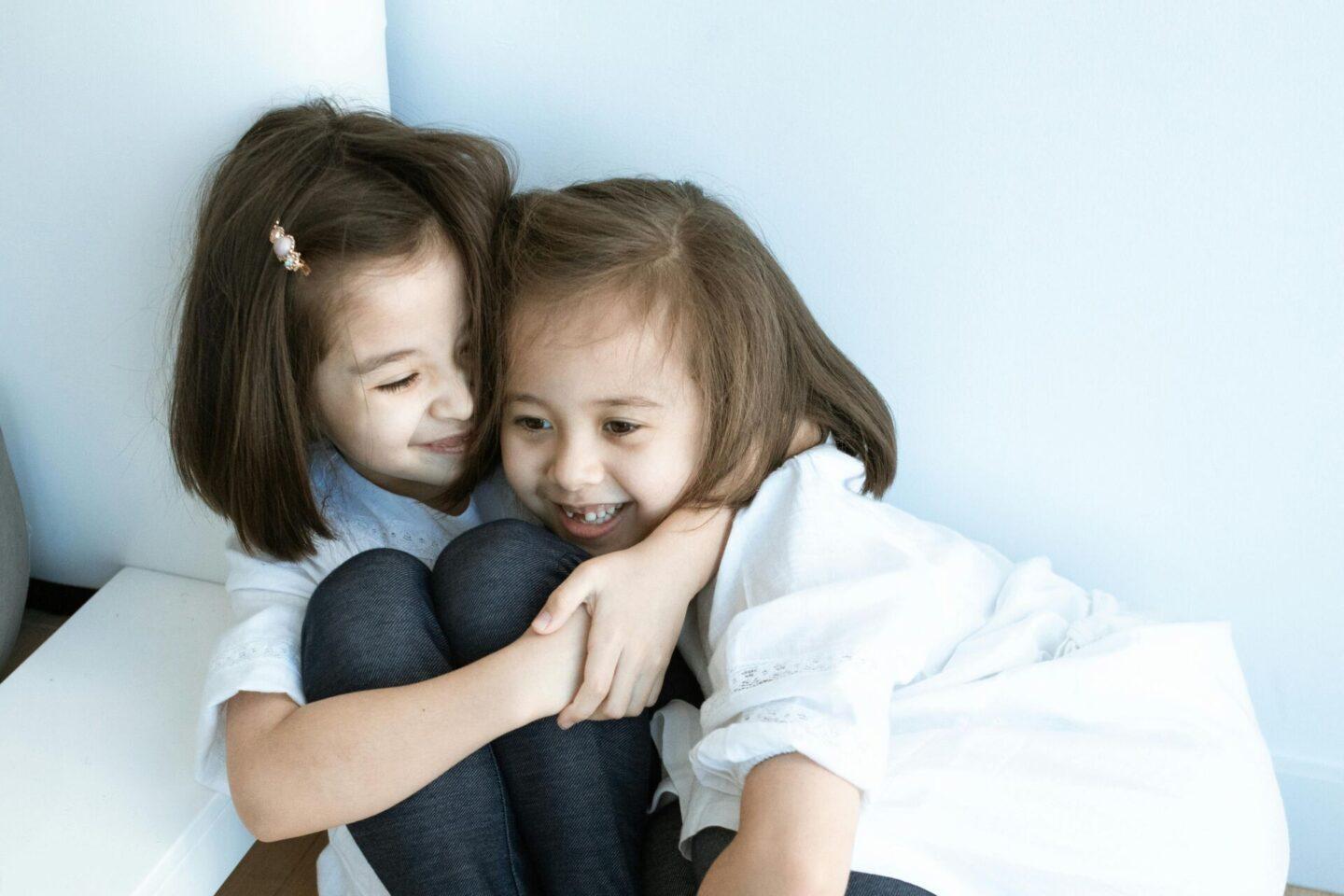
Most children don’t develop empathy because someone explained it well. They develop it when they feel understood themselves. Feeling safe, feeling listened to, and knowing what to expect all matter far more than carefully chosen words.
Why Behaviour Often Speaks Louder Than Advice
Children notice reactions quickly. The way stress is handled. The response to mistakes. Whether frustration turns sharp or stays measured. These moments land deeper than advice offered later.
Calm behaviour during difficult situations quietly teaches emotional control. When anger or disappointment is acknowledged rather than brushed aside, children learn that emotions are not dangerous or embarrassing. They are simply part of being human.
The American Psychological Association points out that emotionally responsive environments are closely linked to stronger social behaviour and cooperation. Empathy forms through exposure. Through repetition. Through seeing the same steady responses again and again.

Allowing Feelings Without Rushing to Fix Them
Children need room to feel things without immediately being corrected. Not every emotion needs a solution. Some moments just need time. This doesn’t require long conversations or constant check-ins. It often happens in short exchanges. A pause before responding. A calm reply. Letting silence sit instead of filling it.
According to NHS guidance, children who feel emotionally supported tend to develop better resilience and social confidence over time. When this becomes familiar, children naturally begin offering the same patience to others.
How Responsibility Builds Perspective
Empathy grows when children begin to see beyond themselves. Shared responsibility plays a quiet role here. Helping at home. Looking after shared spaces. Supporting someone younger. These moments shift focus without needing explanation.
Conversations about helping others work best when they stay grounded. Real examples matter more than abstract lessons. Explaining why families support certain causes, or why someone may choose to donate sadaqah as part of broader values around compassion and responsibility, helps connect generosity to real outcomes rather than pressure.
Avoiding Emotional Overload
Constantly being in agony does not foster empathy. Early exposure to too much knowledge might overwhelm rather than enlighten. Conversations must progress at the same rate as emotional development.
While acknowledging the existence of challenges, balanced conversations sustain stability and safety. This keeps kids open instead of closing down when the subject becomes too hard.
Why Consistency Matters More Than Perfection
Children feel safer when responses are predictable. Clear expectations. Fair boundaries. Calm follow-through. Over time, this builds trust.
Empathy is built upon such trust. Children learn to appreciate other people’s feelings when they are routinely treated with dignity. Individual lessons are not as important as patterns.
The Longer View
Stronger conflict resolution, healthier relationships, and improved communication are all facilitated by empathy. Positive results in schooling and wellness are still associated with emotional intelligence. Early empathy development makes it easier for kids to deal with social difficulties and challenges in the future.
Empathy may develop organically if it is anchored in everyday conduct rather than structured education. Small moments that are repeated frequently usually have the most impact.
Keeping It Simple
Perfect responses or continual direction are not necessary for empathy. It grows with consistent presence, composed reactions, and daily respect. Children don’t require instruction in empathy practice once it gets ingrained in their daily lives. They already are.