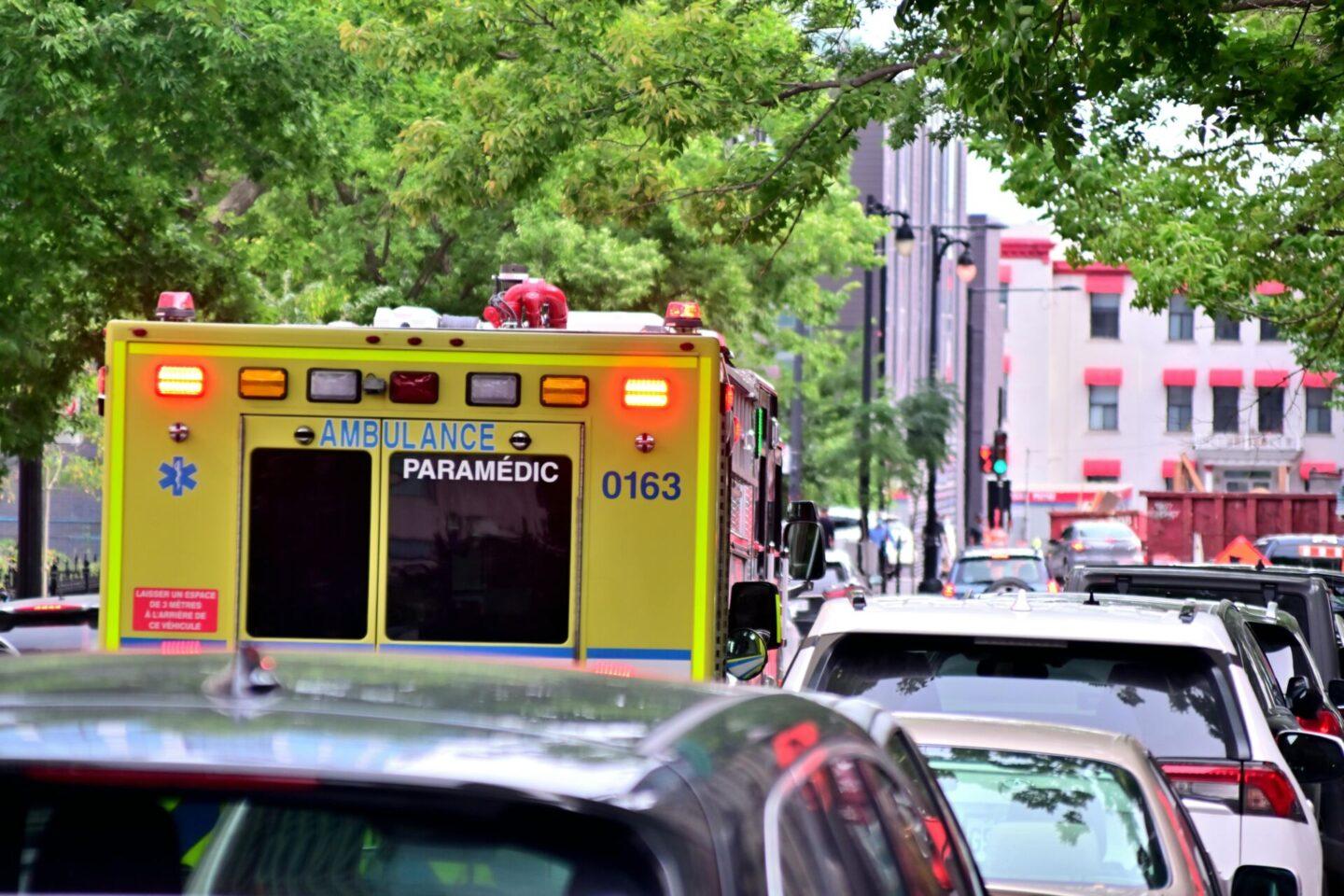
A mental health crisis affects not only the individual but also their loved ones. Families often experience intense anxiety, fear, and uncertainty when a relative requires urgent transfer between hospitals, mental health units, or community care facilities. The process can feel overwhelming, with logistical challenges, unfamiliar medical environments, and concerns about the patient’s safety all contributing to stress for both the patient and their family.
Secure24 specialist mental health transport provides a solution that addresses these concerns. With trained staff, purpose-built vehicles, and patient-centered protocols, these services ensure that transfers are conducted safely, calmly, and professionally. Families can have peace of mind knowing that their loved one is in the hands of experts who understand the unique needs of individuals in crisis. Beyond safety, these services offer clear communication, updates during transit, and reassurance, helping families stay informed and supported. The purpose of this article is to highlight how professional mental health transport services not only safeguard patients but also support families, reducing stress and fostering confidence in the care process during challenging times.
1. Understanding the Family Perspective During Mental Health Crises

When a loved one experiences a mental health crisis, families often find themselves facing a whirlwind of emotions and practical challenges. Fear for the patient’s safety, anxiety about what will happen during transfers, guilt over not being able to help sooner, and general stress can weigh heavily. Uncertainty about hospital procedures, waiting times, and how the patient will be treated adds to the emotional burden, making an already difficult situation feel overwhelming.
Coordinating transfers can also be a logistical challenge. Families may struggle with hospital schedules, safety concerns, or managing a loved one’s agitation and distress during the journey. These situations can leave relatives feeling powerless and in need of guidance. Professional mental health transport services not only manage the patient safely but also provide information and reassurance to families, helping them understand the process and maintain trust in the care being provided.
Providing support to families is essential, as it reduces stress, fosters cooperation, and ensures better outcomes for the patient. Families benefit from clear communication, timely updates, and knowing that trained staff are handling the transfer with compassion and professionalism. Encouraging families to use practical coping strategies—such as those outlined in 3 Practical Ways to Manage Your Mental Health Without the Stress—can also help them remain calm and focused during challenging times.
Understanding the family perspective highlights why mental health crises require not just clinical care but also emotional and logistical support. When families feel informed, involved, and reassured, they are better able to support their loved one through the crisis, contributing to a safer, more effective, and compassionate transfer process.
2. What Makes Mental Health Transport Secure: Key Features and Benefits
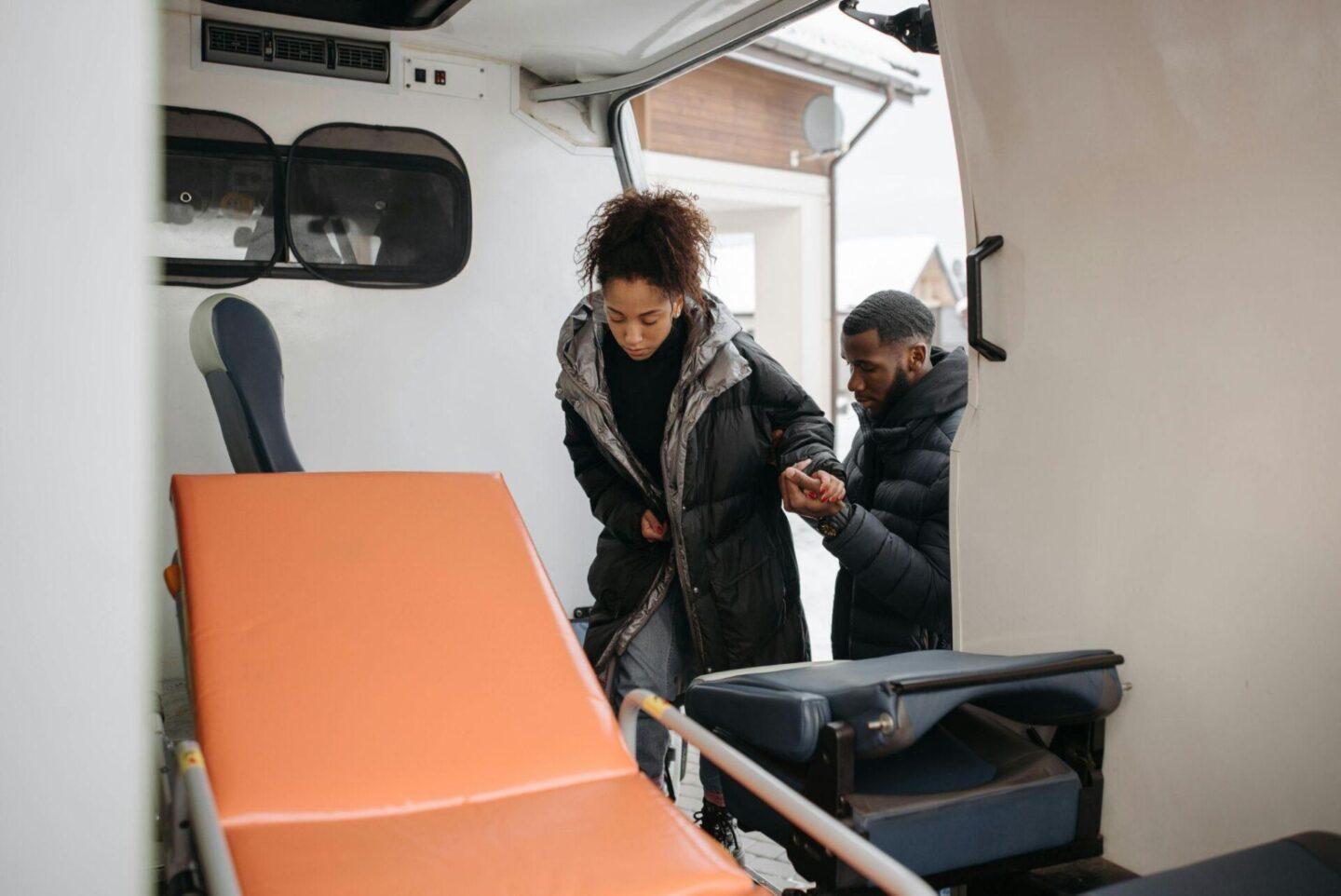
Secure mental health transport is designed specifically to ensure the safety, dignity, and well-being of patients during transfers between hospitals, mental health units, or community care settings. Unlike standard ambulance or taxi services, secure transport is tailored for individuals with complex needs, high-risk profiles, or behavioral challenges, ensuring that every journey is managed professionally and compassionately.
Key features of secure mental health transport include:
- Trained crews – Staff skilled in de-escalation, trauma-informed care, and patient communication to manage complex situations safely.
- Specialized vehicles – Purpose-built transport equipped for safety, comfort, and privacy, allowing patients to feel secure without feeling restricted.
- Risk assessments – Each patient is evaluated beforehand to anticipate challenges, including behavioral tendencies, medical needs, and triggers.
- Patient-centered care – Tailored support, reassurance, and empathy throughout the transfer help reduce anxiety and promote a positive experience.
Secure transport not only protects the patient but also ensures safety for staff and reassurance for families. Properly trained crews and structured protocols minimize the risk of agitation, injury, or escalation during the journey. Families can feel confident knowing their loved one is being transported in a controlled, professional environment, reducing stress and uncertainty.
3. How Professional Transport Staff Reduce Family Anxiety During Mental Health Transfers
One of the most important ways to support families during mental health transfers is through trained, compassionate transport staff. Professionals experienced in mental health care not only ensure patient safety but also provide reassurance to families, helping to reduce stress and uncertainty during what can be a highly emotional time.
Key ways staff help reduce family anxiety include:
- Pre-transfer communication – Families are informed about the process, timing, and safety measures before the journey begins.
- Ongoing updates during transfers – Regular communication reassures families that their loved one is safe and being well cared for.
- De-escalation and patient support – Trained staff use calming techniques and reassurance to manage agitation, ensuring a smoother, less stressful transfer.
- Post-transfer follow-up – Families are updated once the patient safely arrives at the facility, providing closure and confidence.
4. The Role of Specialized Vehicles in Comfort and Safety During Mental Health Transfers

Specialized vehicles used in mental health transfers are carefully designed to ensure both safety and comfort for patients. Unlike standard ambulances or taxis, these vehicles feature purpose-built layouts that provide privacy, calming interiors, accessibility, and appropriate safety restraints. Many are equipped with sensory-sensitive environments, reducing overstimulation for patients who may be experiencing heightened anxiety or distress. These features help create a secure and reassuring atmosphere, allowing patients to feel more at ease during potentially stressful transfers.
The benefits of specialized vehicles extend beyond the patient. A calm, controlled environment can reduce agitation and behavioral incidents, supporting smoother journeys and safer handovers. Families also gain reassurance knowing their loved one is being transported in a vehicle specifically designed for mental health needs, where staff are trained to respond to both emotional and physical requirements. By combining safety, comfort, and patient-centered design, specialized transport vehicles play a crucial role in making mental health transfers more effective, compassionate, and less stressful for everyone involved.
5. Individualized Care and Risk Assessments in Mental Health Patient Transfers
Providing individualized care during mental health transfers is essential to ensure safety, dignity, and peace of mind for both patients and their families. Every patient undergoes a personalized risk assessment, taking into account their medical history, behavioral triggers, and specific mental health needs. This assessment allows transport staff to anticipate challenges and plan appropriate strategies for a smooth and secure journey.
Transport plans are then tailored to the needs of the patient and their family, including seating arrangements, calming techniques, and the presence of additional support if required. By adopting a least restrictive approach, specialist crews ensure safety without making patients feel confined or restricted, promoting trust and comfort throughout the transfer. Families often report feeling reassured and supported, appreciating the professionalism, empathy, and careful planning that go into each individualized transfer.
Through risk assessments and personalized care, mental health transport services provide more than just a logistical solution—they create a compassionate and secure environment that reduces anxiety, supports recovery, and fosters confidence for both patients and their loved ones.
6. Supporting Families During High-Risk Mental Health Transfers
Crisis transfers often involve patients with challenging behaviors or high-risk conditions, which can be stressful and worrying for families. These situations require careful management to ensure safety for the patient, transport staff, and everyone involved. Specialist mental health transport teams are trained to handle emergencies, use de-escalation techniques, and provide structured, professional care throughout the journey.
For families, knowing that their loved one is in the hands of experienced and compassionate staff brings reassurance. Teams communicate clearly, explain the process, and remain calm and supportive during any incidents, helping to reduce anxiety and fear. Families gain peace of mind, confident that their loved one is being transported safely and that the transfer is handled with professionalism and care.
By combining specialized training, risk management, and empathetic communication, secure mental health transport services ensure that even the most challenging transfers are managed effectively. This approach not only protects patients but also supports families, reducing stress and fostering trust in the mental health care system.
7. Building Family Trust Through Secure Mental Health Transfers
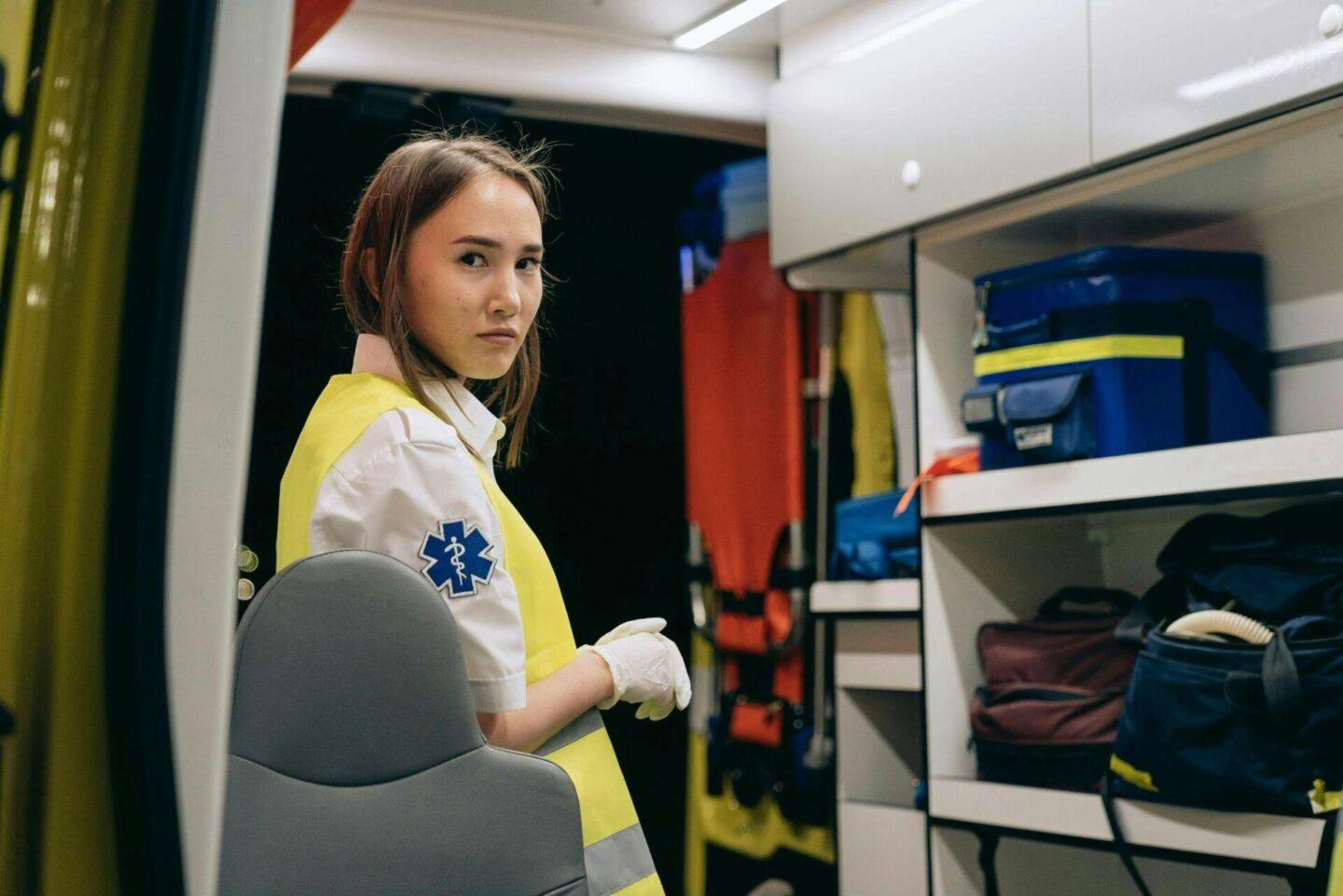
Positive experiences with secure mental health transport play a crucial role in building trust between families and healthcare providers. When transfers are handled professionally, with transparent processes and clear communication, families gain confidence that their loved one is being cared for safely and respectfully. Knowing that staff are trained, vehicles are equipped for safety, and procedures follow best practices helps families feel reassured throughout the journey.
Families also feel involved, informed, and supported during the transfer process. Updates before, during, and after the journey allow them to understand what is happening, reducing anxiety and uncertainty. This transparency fosters a sense of partnership with healthcare providers and reinforces trust in the wider system. For families looking to support mental well-being alongside professional care, understanding strategies for overall mental health is key, as outlined in important considerations for achieving better mental health. Secure transport services, therefore, not only ensure safe patient transfers but also strengthen family confidence and engagement in the care process.