No one wants to feel like their dentist isn’t confident. The last thing anyone sitting in a dentist’s chair wants to be worrying about is if the person standing above them isn’t feeling quite 100%. But a lot of dental professionals struggle with self-doubt and anxiety, which can impact their performance and job satisfaction.
Develop Strong Communication Skills
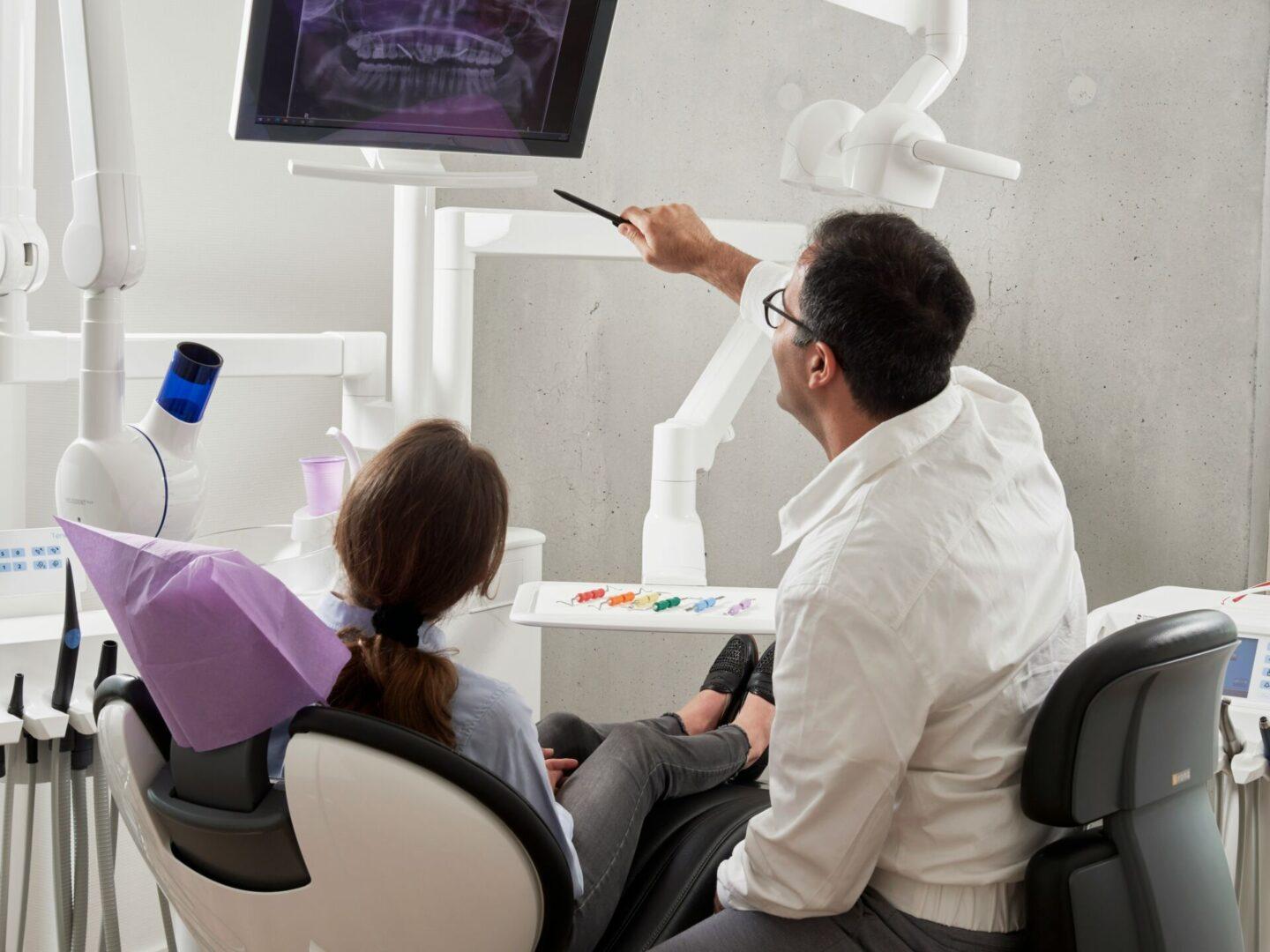
Being able to explain procedures clearly, talking to patients about any worries, and working effectively with your team are key pieces. You need to practice active listening with patients and colleagues. Why not role-play difficult conversations with your team to think about how they might go?Don’t be afraid to ask for feedback about your communication style, either.
Practice Self-Reflection and Self-Care
Confidence comes from feeling good about yourself and knowing that you’re doing everything you can to stay on track. Taking a moment to think about where you are can help you identify your strengths, areas for improvement and the things that are making you stressed or anxious. You could keep a professional journal to track your progress and challenges. Give yourself a set time for this if you know that you find it hard to get around to it. Keep getting feedback from the people you trust to get that extra perspective.
Self-care is just as important. Dental professionals often face high levels of stress, and that can grind your confidence down. So, make sure that you’re getting regular exercise, think about mindfulness, and don’t forget about the things you do for fun.
Embrace Continuous Learning
Knowledge is power, right? And it can also give you a big confidence boost. Staying up-to-date with the latest techniques, technologies, and best practices can help you feel calmer and more prepared.
Remember, every new skill or piece of knowledge you can learn is another asset. Looking at restorative dentistry courses is a great way to learn more and think about how you can continue to improve. Aesthetic dentistry courses can help you to be more confident about giving your patients the best options available and discuss what would be best for them. It can also be useful to keep up with how different treatments are being used in practice, from cosmetic procedures to options such as Dental implants Manchester, so you can talk confidently about the choices available to patients.
Build a Supportive Professional Network
Surrounding yourself with supportive colleagues is always going to help with confidence. A strong professional network gives you opportunities for collaboration, learning, and moral support when things get tough. Remember, even the most confident professionals rely on their network for support and guidance.
Develop a Positive Self-Image
This is crucial no matter where you work. Having a positive, realistic view of yourself as a professional, and as a person, is a great way to work on your confidence. It might sound corny but practice positive self-talk. Think about what successful outcomes look like. Make a list of your professional accomplishments and keep it up to date. And don’t forget to dress in a way that makes you feel like you belong in your job.
Remember, confidence generally comes from inside you. You’re laying the groundwork for increased confidence across all areas when you work on yourself.