Exploring the ancient art of pottery on the Greek island of Sifnos is like stepping into a world where history, culture, and craftsmanship converge. Sifnos has been known for its pottery since ancient times, and today, it continues to be a vibrant centre for traditional ceramics. Whether you’re an experienced potter or a curious beginner, taking a pottery class in Sifnos is an unforgettable experience.
Let’s dive into the pottery-making process that has been perfected over centuries on this beautiful island.
The Unique Clay of Sifnos
One of the secrets behind Sifnos’ renowned pottery is its unique clay. The island’s geological makeup provides a rich, natural clay that is perfect for pottery. This clay has been used by artisans for generations to create everything from practical kitchenware to intricate decorative pieces. The natural properties of Sifnian clay make it easy to work with and ideal for creating durable and beautiful ceramics.
When we think about our three kids – Isabelle, Archie, and Teddy – getting their hands dirty in this rich, earthy clay, we can’t help but smile. Archie, in particular, would probably turn the studio into quite the scene, but seeing him create something from scratch would be worth the mess!
The Art of Shaping
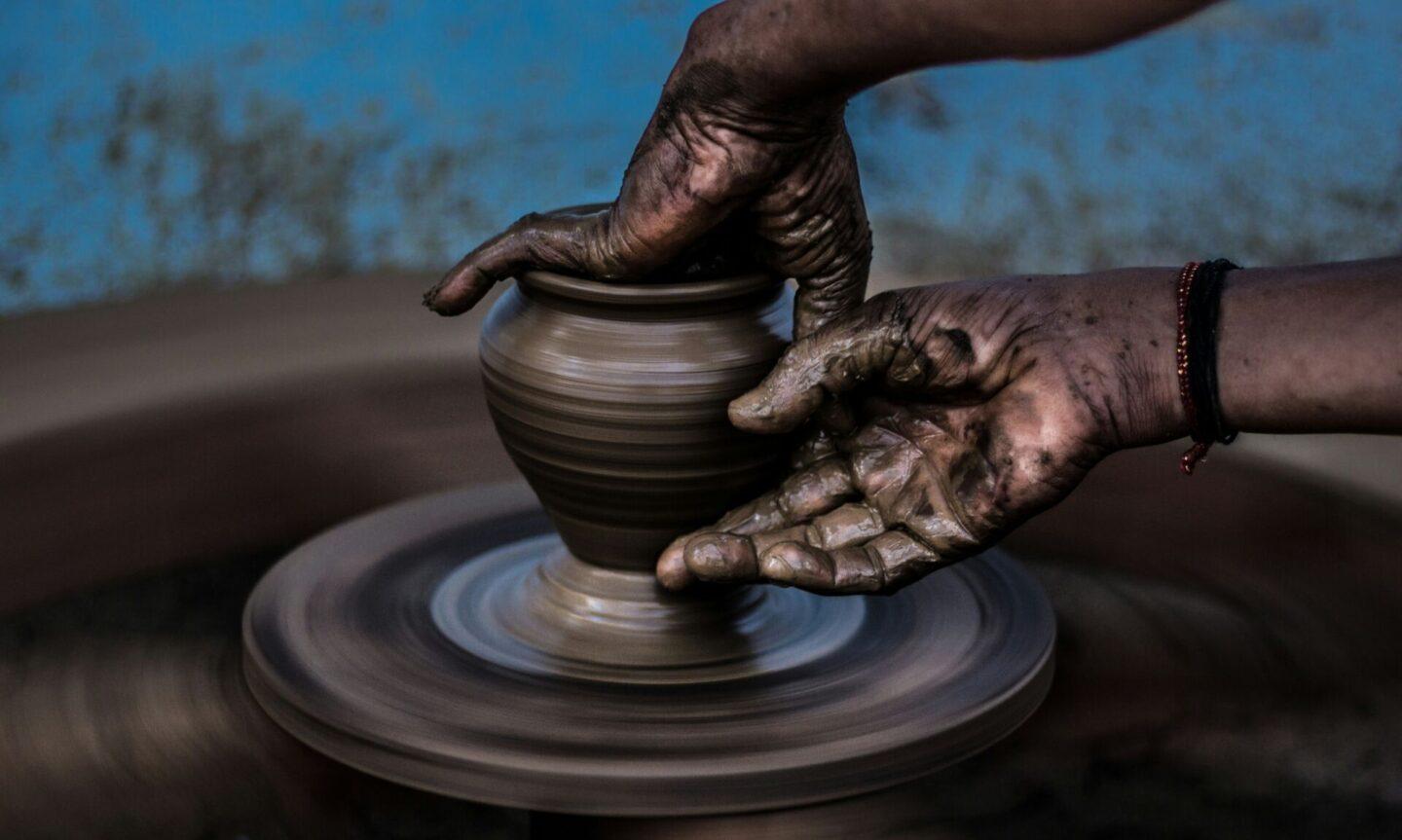
Once the clay is prepared, the real artistry begins. Traditional potters in Sifnos use a variety of techniques to shape their creations. Wheel throwing is perhaps the most iconic method, where the potter uses a spinning wheel to form the clay into symmetrical shapes. This technique requires a steady hand and a good deal of practice.
Hand-building is another technique, where potters shape the clay by hand without the use of a wheel. This method allows for more creative freedom and the creation of unique, one-of-a-kind pieces. Many classes in Sifnos offer hands-on opportunities to try both techniques, guided by skilled local artisans.
As a family, we can imagine all three kids finding their own way in these classes. Isabelle would probably take to the wheel like a pro, while Archie would enjoy the tactile experience of hand-building. And little Teddy? He’d probably be more interested in playing with the clay than creating with it, but every artist has to start somewhere!
The Firing Process
After the shaping is complete, the pottery must be dried and then fired in a kiln. This is a critical step that transforms the fragile clay into a sturdy, permanent piece. In Sifnos, traditional wood-fired kilns are often used, adding an extra layer of authenticity to the process.
The firing process can take several hours, and the temperature inside the kiln can reach over 1000 degrees Celsius. This intense heat not only hardens the clay but also brings out the vibrant colors of the glazes used by the potters. Each piece that emerges from the kiln is a testament to the skill and patience of the artisan.
Glazing and Finishing Touches
The final step in the pottery-making process is glazing. Glazes are liquid coatings applied to the pottery before the final firing. They add colour, texture, and a glossy finish to the pieces. Traditional Sifnian glazes often use natural materials found on the island, creating earthy and vibrant hues that are characteristic of the region’s pottery.
After the final firing, the pottery is complete and ready to be used or displayed. Whether it’s a simple mug or an elaborate vase, each piece of Sifnian pottery carries with it a piece of the island’s heritage.
Taking a pottery class in Sifnos is more than just a creative activity—it’s a journey through history and culture. It’s a chance to connect with the island’s rich artistic traditions and to create something uniquely your own. And who knows, maybe one day, Archie will become a master potter himself, mess and all!