As our furry companions age, they may face various challenges that affect their mobility and overall well-being. Just like humans, dogs experience changes in their bodies as they grow older, which can impact their ability to move around comfortably. In this guide, we’ll explore how to provide the best care for your senior dog’s mobility needs, ensuring they remain happy, healthy, and active in their golden years.
Understanding the Ageing Process:
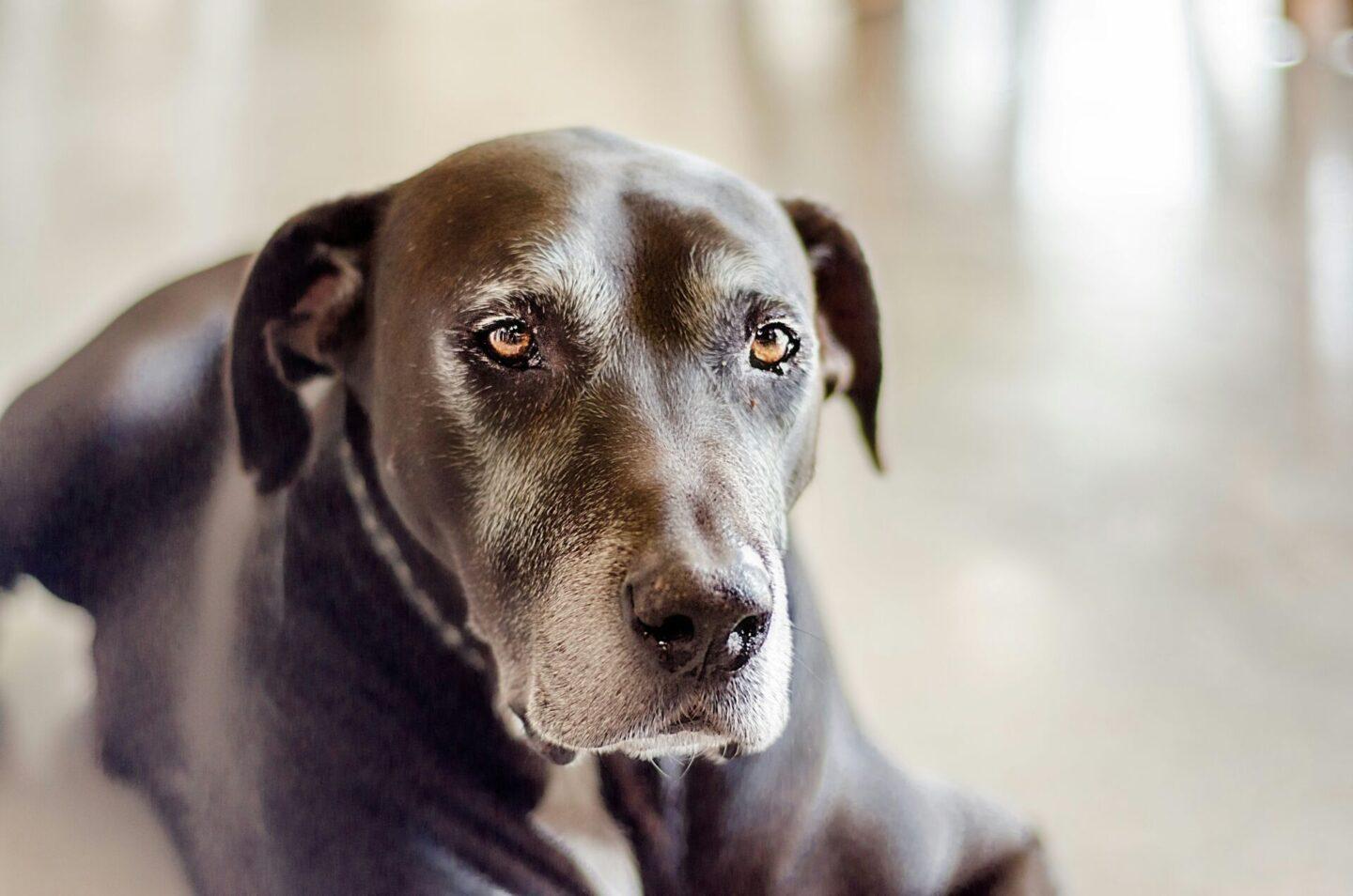
As dogs age, they undergo physiological changes that can affect their mobility. Arthritis, joint pain, muscle weakness, and decreased flexibility are common issues faced by senior dogs. These conditions can make it difficult for them to walk, climb stairs, or engage in activities they once enjoyed. It’s essential for pet owners to recognise these changes and take proactive steps to support their ageing furry friends.
Creating a Comfortable Living Environment:
One way to enhance your senior dog’s mobility and comfort is by optimising their living environment. Ensure their living space is free from obstacles and hazards that could cause tripping or falling. Provide supportive bedding to cushion their joints and offer easy access to food, water, and their favourite resting spots. Additionally, consider incorporating ramps or steps to help them navigate elevated surfaces like sofas or beds with ease.
Nutrition and Weight Management:
Maintaining a healthy weight is crucial for senior dogs to minimise strain on their joints and support overall mobility. Speak to your veterinarian about adjusting your dog’s diet to meet their changing nutritional needs as they age. Choose high-quality, senior-specific dog food formulas that are formulated to support joint health and muscle maintenance. Avoid overfeeding and monitor your dog’s weight regularly to prevent obesity, which can exacerbate mobility issues.
Exercise and Physical Therapy:
While senior dogs may not have the same energy levels as their younger counterparts, regular exercise remains essential for maintaining mobility and muscle strength. Low-impact activities such as gentle walks, swimming, and stretching exercises can help keep their joints flexible and improve circulation. Consider enrolling your senior dog in a canine rehabilitation program or working with a certified canine physical therapist to develop a tailored exercise regimen.
Supplements and Pain Management:
In addition to a balanced diet and regular exercise, certain supplements can help alleviate joint pain and inflammation in senior dogs. Glucosamine, chondroitin, omega-3 fatty acids, and antioxidants are commonly recommended to support joint health and mobility. Consult with your veterinarian before starting any supplement regimen to ensure it’s safe and appropriate for your dog’s individual needs. Additionally, your vet may prescribe pain medication or anti-inflammatory drugs to manage chronic discomfort associated with arthritis or other age-related conditions.
Environmental Adaptations:
As your senior dog’s mobility declines, consider making adaptations to their environment to accommodate their changing needs. For example, provide non-slip rugs or mats on slippery surfaces to prevent falls, and install grab bars or handrails near stairs and slippery areas for added support. Ensure that their favourite spots, such as couches or beds, are easily accessible without the need for jumping or climbing. Additionally, setting up a spacious and comfortable dog pen can offer your senior dog a safe and enclosed area where they can rest and relax without the risk of injury. A dog stroller can also be a helpful tool for longer outings, providing a comfortable way to transport your senior dog when they need a break from walking.
Emotional Support and Mental Stimulation:
As senior dogs navigate physical changes, it’s essential to provide them with plenty of emotional support and mental stimulation. Spend quality time bonding with your furry friend through gentle grooming sessions, interactive play, and soothing massages. Enrich their environment with puzzle toys, interactive feeders, and scent games to keep their minds engaged and prevent boredom.
Conclusion:
Caring for a senior dog requires patience, understanding, and a commitment to meeting their evolving needs. By taking proactive steps to support their mobility, nutrition, and overall well-being, you can help your furry companion enjoy a comfortable and fulfilling life in their golden years. Remember to consult with your veterinarian for personalised guidance and recommendations tailored to your dog’s specific health status and requirements.