Any parent with teenage children has a niggling fear in the back of their mind that their teenage kids could become involved in drugs, and this may lead into a downward spiral and even committing a crime. This isn’t just restricted to the poor and deprived families; many middle and upper-class families have fallen foul of the endemic use of drugs.
Nowadays it is even more of a concern. Years ago, young people used to drink heavily, and the pubs were heaving. Today many pubs have closed down or become gastro pubs and they are less of a focus for the community. Alcohol is more expensive and many youngsters get a kick from starting on cheap recreational drugs, which then leads on to more serious drugs which have a dangerous impact on their health, including for boys Erectile Dysfunction, and future prospects in society.
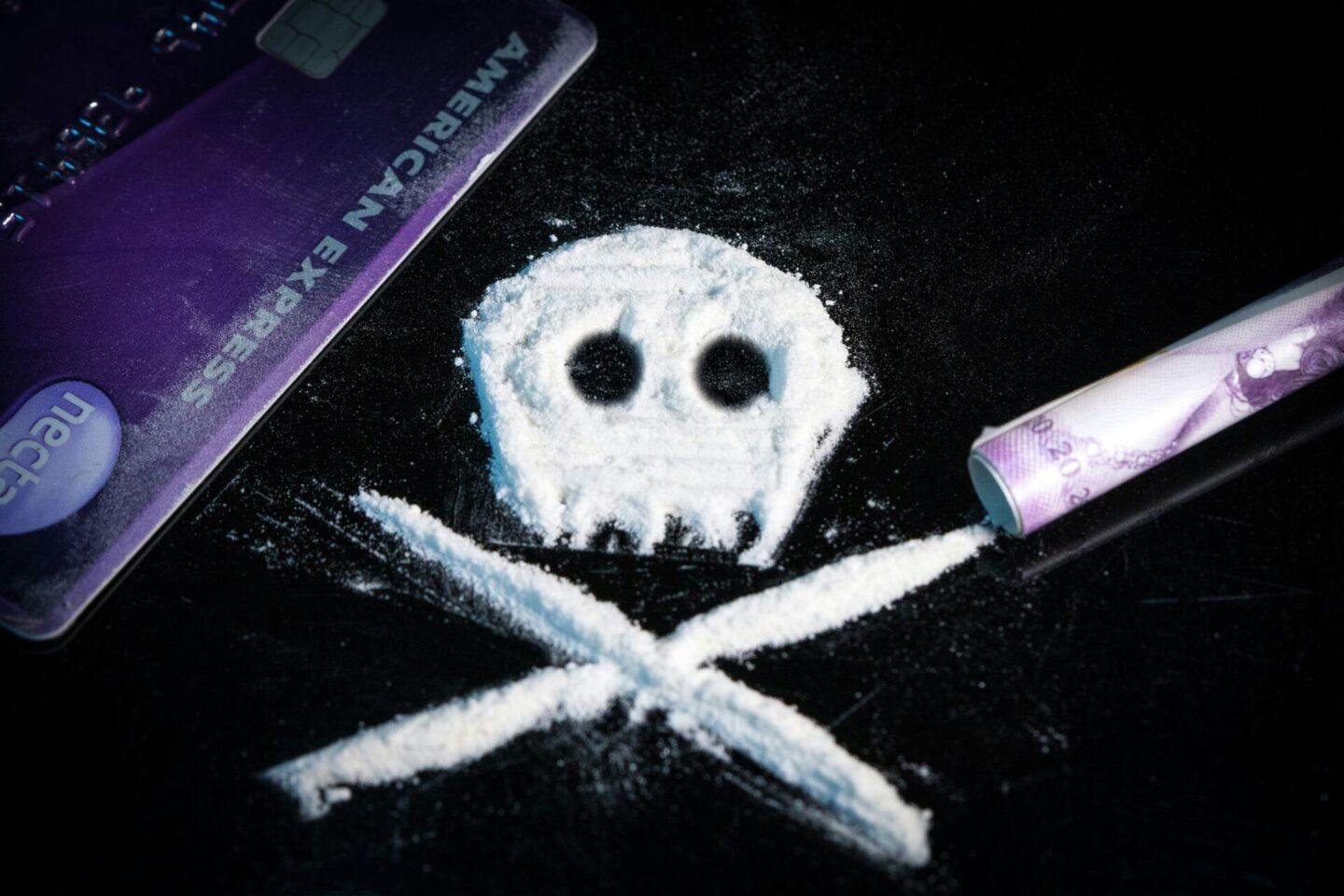
The link between Erectile Dysfunction and Drug use
One serious side effect that doesn’t get the coverage it deserves, is the link between erectile dysfunction and drug misuse. And it isn’t just the drugs that are taken to get a high or a hit. There are a whole range of designer drugs used within the gym community aimed at enhancing performance and making the body beautiful. They work on both accounts but the longer effects on both erectile function and fertility means that many bodybuilders will not be able to have their own children.
Why do Drugs cause Erectile Dysfunction (ED)
Numerous recreational drugs can lead to erectile dysfunction as they damage blood vessels and impair blood flow to the penis. Alcohol, marijuana, cocaine, and other substances have been found to restrict blood flow, which is crucial for achieving and maintaining an erection during sexual intercourse. A man needs 20 times as much blood in penis when erect than when it is in a soft state. According to a study published in the Journal of Sexual Medicine, 36.4% of male drug abusers reported experiencing ED, along with difficulties in achieving satisfactory orgasms.
Cocaine and Erectile Dysfunction
Contrary to popular belief, cocaine does not act as an aphrodisiac. Whilst initial use may produce positive sexual side effects such as increased quality and duration of intercourse and more pleasurable orgasms, these effects diminish over time due to tolerance. Long-term cocaine use has been associated with various sexual side effects, including decreased blood flow to the penis, diminished libido, loss of sensation during intercourse, and premature ejaculation.
A healthy erection depends on the ability of the penile blood vessels to relax and fill with blood. Cocaine prevents this relaxation by tightening and constricting the blood vessels. Prolonged exposure to high levels of dopamine, a neurotransmitter associated with pleasure and sexual satisfaction, can also desensitise the brain’s response to sexual stimulation.
Other Recreational Drugs and Erectile Dysfunction
In addition to cocaine, several other recreational drugs have been linked to erectile dysfunction:
Amphetamines: These substances can narrow blood vessels, hindering sufficient blood flow to the penis.
Barbiturates: Often known to decrease the interest in sex, barbiturates can indirectly contribute to erectile dysfunction.
Marijuana: While marijuana may increase sexual desire, it can prevent the smooth muscles in the penis from relaxing adequately to allow proper blood flow.
Additionally, alcohol abuse can also be recognised as causing an ED issue.
Reversibility of Sexual Side Effects: Recent research has explored the possibility of reversing the sexual side effects of drug addiction. A study published in the Journal of Sexual Medicine suggests that men with a history of substance abuse may struggle to regain their previous level of sexual performance. The study found that illicit drug users, especially those who abused cocaine, were prone to experiencing ED, decreased sexual desire, and increased ejaculation latency. The long-term effects of drug abuse, particularly cocaine, were found to be potentially permanent.
While research published in the International Journal of Sexual Medicine in 2023 found that substance abuse, including marijuana; opioids; heroin; cocaine; tramadol; ketamine; ecstasy, and amphetamine, all had negative impacts on male sexual health that should be addressed.
Addressing erectile dysfunction caused by drug abuse requires a comprehensive approach. A specialist group of London clinics, Shockwave Clinics Ltd (MansMatters,) have a successful history of helping men with erectile problems regain their sexual function and enjoyment of relationships. These interventions typically involve a combination of medical treatments and lifestyle modifications tailored to each individual’s needs.
Testosterone Hormone and Drug Abuse
Drugs such as marijuana, cocaine, and opioids can decrease the testosterone hormone level in men. A lack of testosterone hormone can also be a contributory factor to the development of ED. One research study showed that the testosterone hormone level in men who didn’t smoke marijuana was almost double compared to men who did smoke marijuana. However, various research studies have shown that cocaine and opioids can have a negative impact on the testosterone hormone production in men. Men who take cocaine and opioids tend to have a lower testosterone hormone level than others who don’t take such drugs.
Long-term Consequences of Drug Abuse
Drug abuse doesn’t only have a negative impact on the sexual health of men but also on their general health as well. Drug abuse can have a wide range of negative long-term consequences on the patients. Some of these consequences can even be life-threatening. It can affect nearly every organ and system of the body, as it can affect the cardiovascular system, respiratory system, kidneys, liver, etc. Drug abuse can cause long-term heart disease including heart failure. In addition, chronic bronchitis, lung cancer, kidney failure, liver damage, gastrointestinal damage, etc., are considered long-term consequences of drug abuse.
How to Quit Drug Addiction
Quitting drug abuse or addiction is not an easy task at all, but it’s essential if a man wants to protect his sexual as well as general health. To successfully quit drug addiction, a man must realise the negative effects of drugs and be self-motivated. Strong commitment is key to quitting drug addiction. Psychological support from family members or friends can be extremely vital for the drug addict in this tough journey. There are counselling and rehabilitation programmes in the UK to help with drug addiction. But even if a man successfully quits this addiction, they may still suffer from drug cravings. That’s why it’s very important to recognise the triggers of drug cravings and carefully avoid them. Professional help is always there, and it’s better to seek them out as specialists can help a previous drug addict maintain sobriety.
Men who have a history of drug abuse can take “little blue pills” for the treatment of their ED. However, these pills do not provide a long-term solution for ED or reverse the damage done. They can be effective for some men in the short-term, but their effectiveness tends to decrease over time. These pills may also not be safe for every man.
Most men, will require more substantial treatments that include focussed shockwave therapy, which will seek to regrow and repair damaged nerve tissue and EMTT therapy, which is designed to repair the cells surrounding the blood vessels.