The quality and type of lens a photographer uses can significantly influence the outcome of their shots. With different focal lengths, maximum apertures, and other specific features, the choice of lens can enhance (or, sadly, limit) the final image. A landscape photo taken with a wide-angle lens can include more of the gorgeous vista, while a portrait shot with a prime lens can generate a sharp subject focus with a beautifully blurred background. As a photographer, it is crucial for you to find the right camera lens that has all the necessary technical capabilities to meet the demand of a shot.
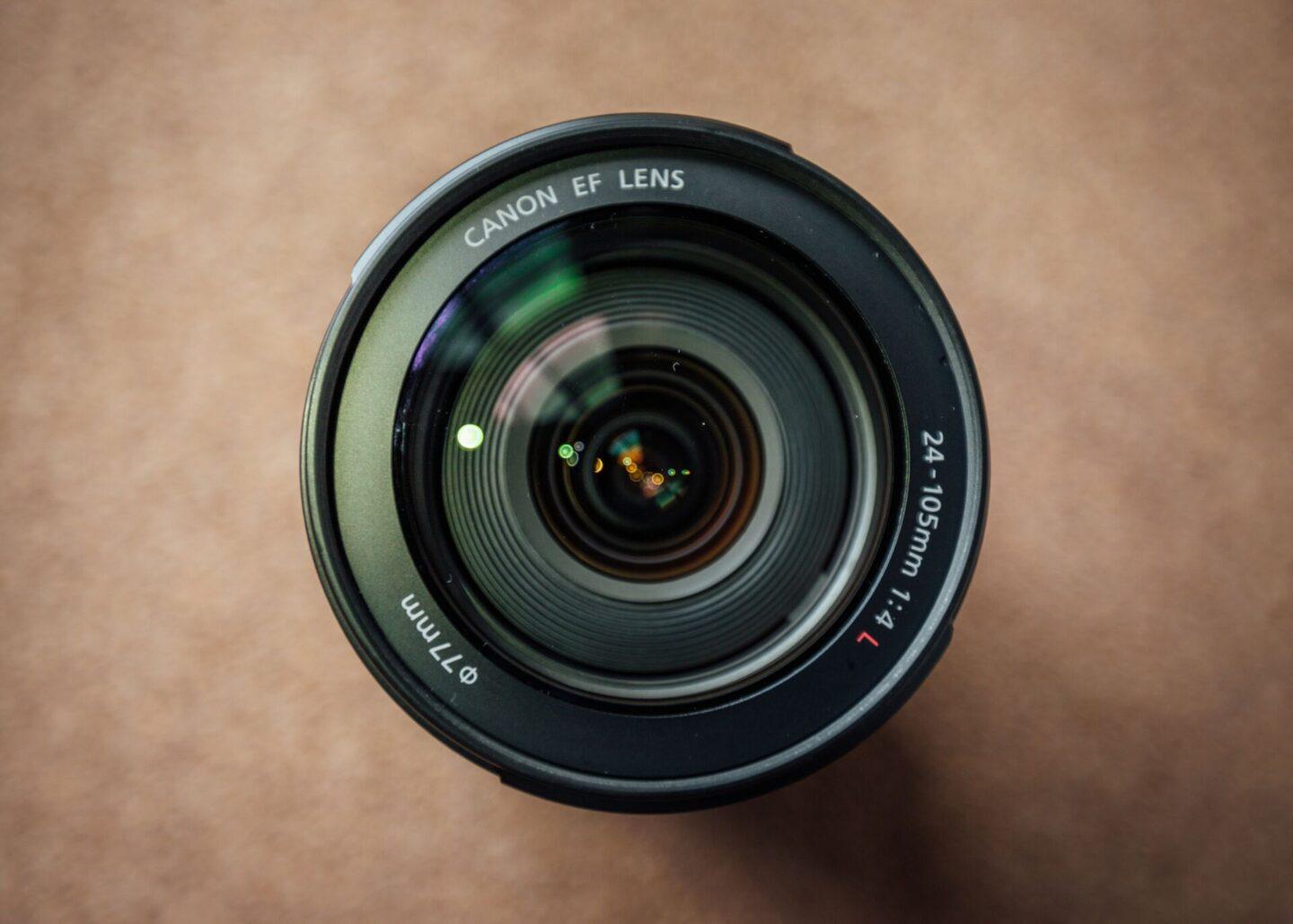
Choosing the appropriate lens goes beyond mere preference; it’s a strategic decision that every photographer—amateur or professional—must make based on several factors. A wildlife photographer cannot rely on a standard 50mm lens to capture animals from a distance; similarly, a street photographer might find a telephoto lens cumbersome and less responsive to candid moments. While talent helps create a compelling photograph, your equipment is still a crucial enabler. Your lens choice can thus either complement your skills or hinder the potential of a shot.
Therefore, it is essential for you to invest in the right type of lens that aligns with your genre in photography and will help you take the best pictures. Here are some tips that can help you pick the perfect camera lens:
Get to Know Your Camera
Before diving into the world of lenses, it’s essential to understand your camera’s make and model. Cameras come with varying sensor sizes, from full-frame to APS-C to micro-four-thirds, with each sensor interacting differently with different lenses.For instance, a 50mm lens on a full-frame camera retains its native focal length; on an APS-C sensor, it might act more like an 80mm lens due to the crop factor. The lens and camera need to work harmoniously together, so knowing your camera’s specifications will guide your lens choices to ensure compatibility and help you achieve the desired outcomes in your photos.
Check Your Budget
Photography equipment, especially the high quality ones, can be quite expensive. Lenses, in particular, are a significant investment. Thus, you need to make sure that you’re spending your money right. Narrow down your choices by listing down the features and specifications that are vital for your photography needs. With these criteria in mind, you can allocate a specific budget and try to look for lenses within that range. Do take note that more expensive doesn’t always necessarily mean better.
If you’re not ready to commit financially to a particular lens or want to test a model before purchasing, services like a camera hire London photographers recommend can help you with this decision. They have many different lenses you can freely experiment with and study. This approach allows for hands-on experience without the upfront costs, which can help you make informed decisions.
Recognise Your Subject
The subject matter should also be considered during lens selection. Portrait photographers might gravitate towards prime lenses with wide apertures for beautiful bokeh and subject isolation. Meanwhile, animal photographers would prioritise telephoto lenses to capture distant creatures without disturbing them in their natural habitats. If you’re an event photographer, you might lean on versatile zoom lenses, as this allows for quick adjustments in dynamic environments. Identifying the primary subjects and scenes one intends to photograph can guide your lens choices.
Identify Lens Types
Lenses are categorised based on their focal lengths and subsequent field of view. Here are the basics:
- Wide-Angle Lenses (below 35mm): Ideal for capturing broad scenes, landscapes, or interiors. They offer a vast field of view but can sometimes distort subjects if they are too close.
- Standard Lenses (35mm to 70mm): These lenses mimic the human eye’s field of view and are versatile for various photography types. These are most suitable for portraits and street photography.
- Telephoto Lenses (above 70mm): These lenses are designed for capturing distant subjects and are perfect for wildlife or sports photography. They can isolate subjects and provide a shallow depth of field, but may require tripods to prevent potential camera shake.
Prioritise Aperture
The aperture of a lens, indicated by the ‘f’ number, determines the amount of light it lets in. A lens with a wider maximum aperture (e.g., f/1.8 or f/1.4) allows more light, enabling photographers to shoot in dimmer conditions without resorting to flash.
Moreover, wide apertures can create a shallow depth of field. This makes subjects stand out against a blurred background, a sought-after effect in portraiture. Conversely, smaller apertures (e.g., f/16 or f/22) yield a deeper depth of field, ensuring more elements in the frame are in focus, often desired in landscape shots.
Explore Specialty Lenses
Beyond the traditional categorizations, there are special lenses for specific photography niches that you might want to check out:
- Macro Lenses: These lenses allow extreme close-up photography and capture minute details. It is often used for nature photography, as it can magnify subjects significantly and reveal intricate patterns not visible to the naked eye.
- Fisheye Lenses: These can capture almost 180° of a scene and deliver a unique, ultra-wide perspective. If you’re going for dramatic effects in your photos, a fish lens is an ideal investment.
- Tilt-Shift Lenses: These lenses can control perspective distortion, allowing parallel lines to remain parallel rather than converge. They are employed primarily for architectural photography and offer selective focus areas, often used for a miniature effect in creative shots.
Consult Reviews and Trials
With various lenses available, choosing one can sometimes feel overwhelming. Before committing, read user reviews and watch hands-on demos from experts. These resources can provide insights into the lens’s performance, build quality, and real-world results. Additionally, some retail stores offer trial periods or hands-on testing. Nothing beats the experience of trying a lens personally, feeling its weight, observing its autofocus speed, and reviewing its output. Make sure you get to know the lens and that it suits your photography needs before committing to a purchase.
Lens Choice: It’s More Than Meets the Eye
Selecting the right camera lens can profoundly impact your photographs’ quality, style, and intent. Photography is an art form and, like all art, it’s deeply personal. The best lens isn’t just the one with the sharpest optics or the fastest autofocus—it’s the one that helps you translate your perspective, emotions, and stories into compelling visuals. Remember these tips and information as you scour the market in search for the perfect camera lens.