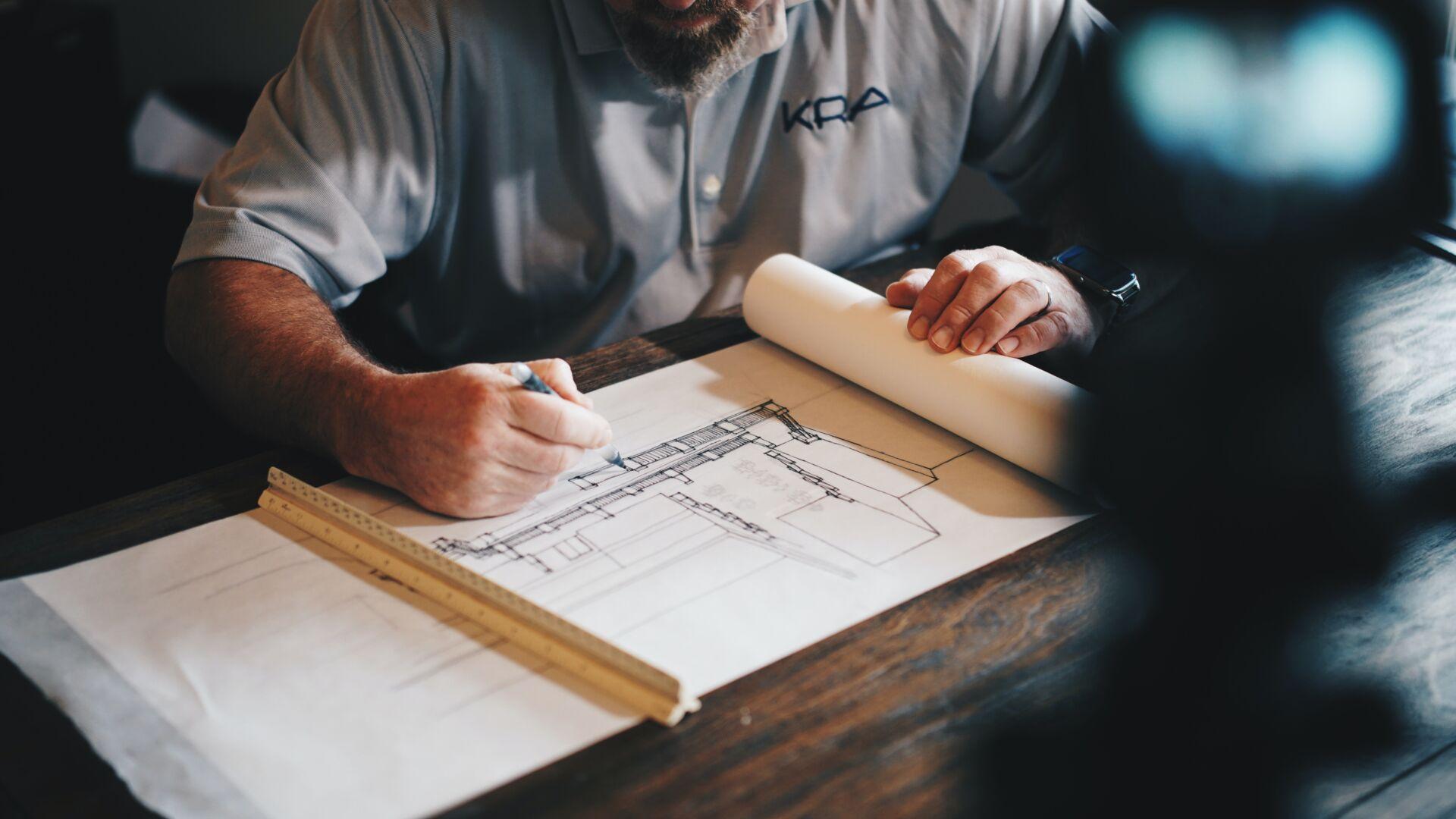
With the increasing awareness of climate change, more and more homeowners in the UK are looking to incorporate sustainable design features into their homes and being eco-conscious is becoming more and more important in property design. If you are thinking about extending your home, then designing an extension that is sustainable can help you to reduce your carbon footprint and contribute to a greener environment.
In this article, we will discuss some key factors to consider when designing a sustainable home extension.
Energy efficiency
One of the most important aspects of a sustainable home extension is energy efficiency. By reducing the amount of energy your home consumes, you can significantly lower your carbon footprint and save money on energy bills. Some ways to achieve energy efficiency include:
- Insulation: Good insulation can help to retain heat and prevent heat loss. Ensure that your walls, roof, and floors are properly insulated.
- Double-glazed windows: Double-glazed windows are great for insulation and keeping the heat inside your home.
- Solar panels: Solar panels are an excellent way to generate your own electricity and reduce your reliance on fossil fuels.
Natural light
Another way to make your home extension sustainable is by incorporating natural light into the design. This can help to reduce your reliance on artificial lighting, which can be a significant source of energy consumption. Consider adding skylights, larger windows or bi-folding doors to bring in natural light. A decent architect can assist you with this, particularly one that specialises in sustainable home builds. Ensure you look up a local architect – such as architect Newbury – to make the process smoother as they will be aware of local planning laws.
Sustainable materials
Choosing sustainable materials is also important when designing a home extension with the environment in mind. This includes materials that are eco-friendly, recyclable, or renewable. Some examples of sustainable materials include:
- Bamboo: Bamboo is a fast-growing, renewable resource that is strong and durable. It can be used for flooring, cabinetry, and furniture.
- Cork: Cork is a sustainable material that is harvested from the bark of cork oak trees. It is a great choice for flooring, wall coverings, and insulation.
- Recycled materials: Using recycled materials such as reclaimed parquet flooring, bricks, and tiles can give your home extension a unique look while also reducing waste.
Water conservation
Conserving water is another important aspect of sustainable design. Incorporating water-saving features into your home extension can help to reduce your water usage and save money on your water bills. Some ways to achieve water conservation include:
- Low-flow toilets and faucets: Installing low-flow toilets and faucets can significantly reduce your water consumption.
- Rainwater harvesting: Collecting rainwater for irrigation and other non-potable uses can help to reduce your reliance on municipal water supplies.
Greenery
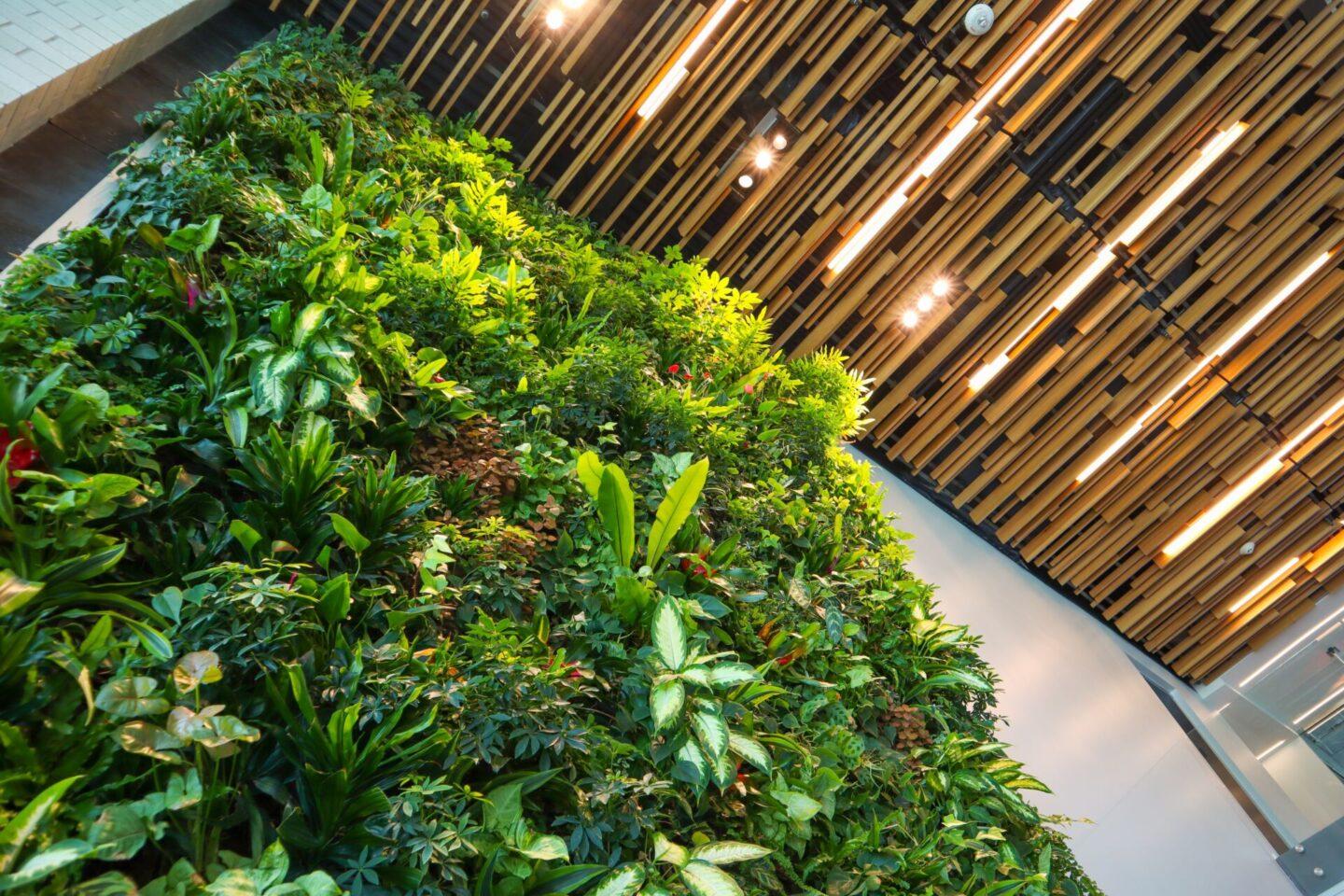
Finally, incorporating greenery into your home extension can help to improve air quality, reduce carbon dioxide levels and add aesthetic appeal. Consider adding a green wall or a living roof to your home extension; you can get plenty of inspiration on Pinterest. This can also help to insulate your home and regulate temperature.
In conclusion, designing a sustainable home extension is an excellent way to improve your home’s energy efficiency, reduce your carbon footprint and contribute to a greener environment. Incorporating energy-efficient features, natural light, sustainable materials, water conservation, and greenery can all help to make your home extension more sustainable. By taking these steps, you can create a home extension that is not only beautiful but also eco-friendly and cost-effective.