Child abuse is a distressing thing to think about let alone to witness but around half a million children suffer abuse in the UK every year. In this article, we’re sharing five signs of child abuse to look out for.
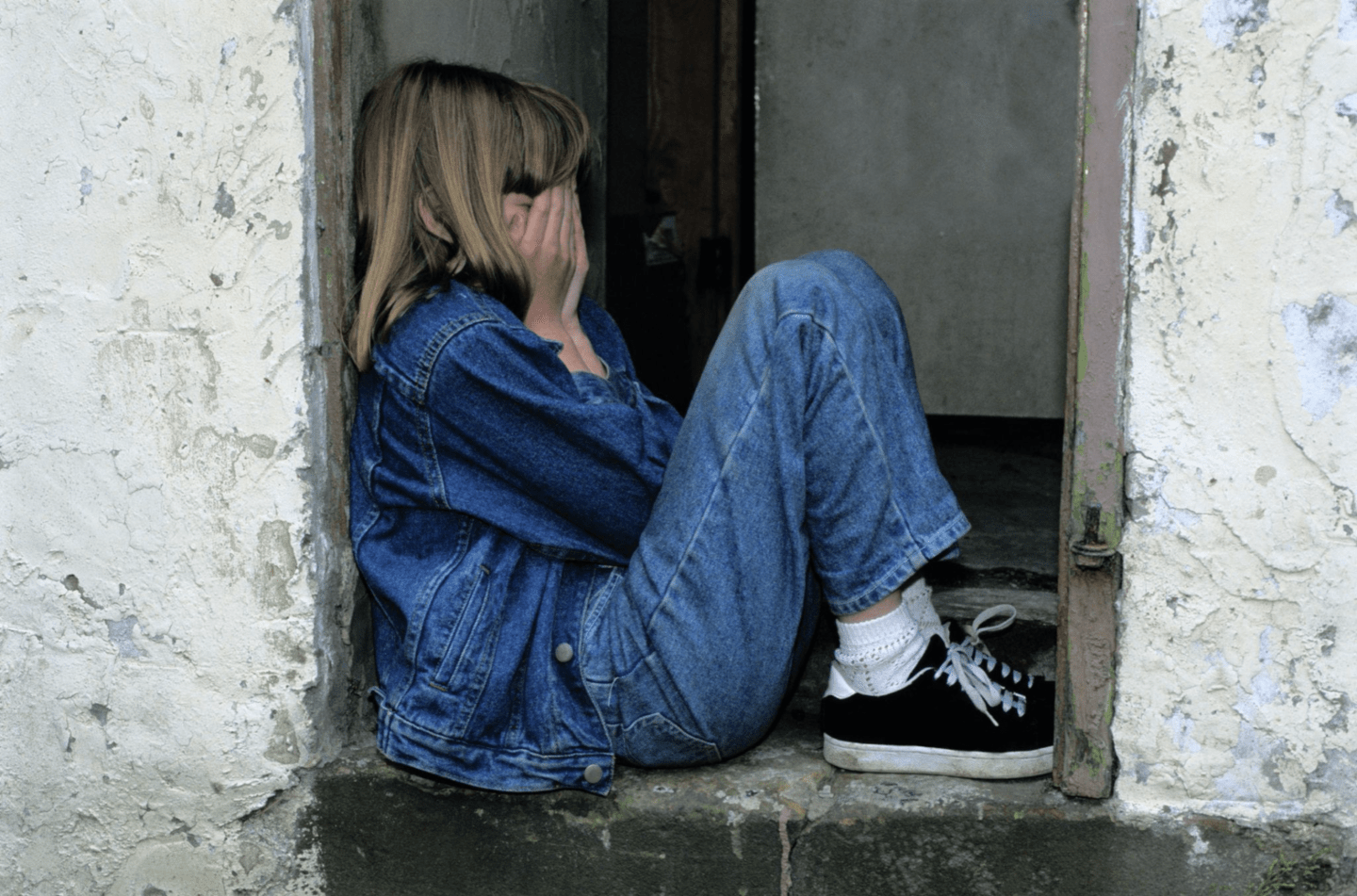
Child abuse solicitors in the UK deal with a wide range of cases every year, from devastating physical abuse cases to more regular cases involving neglect. While most parents can’t even begin to imagine harming their children, the NSPCC receives around 22,505 calls every year from people who have concerns about a child being abused.
In this article, we’re sharing the five physical and emotional signs of child abuse to look out for in the children around you, including friends of your own kids.
The Physical Signs of Child Abuse
In some instances, there will be physical signs that a child is being abused or neglected and, these can include:
Signs of injury
An abused child will sometimes appear with regular injuries such as bruises, scratches and cuts. While some of these may be clearly seen, in other cases, the child will take measures to hide them such as always wearing clothes with long sleeves. This could be the case even in hot weather, some children will even avoid certain sports which involves wearing minimal clothing to avoid signs of abuse being exposed.
When questioned about injuries, the child will often be ready with an explanation, or appear to be fumbling for an answer that’s unclear.
Dirty or unkempt appearance
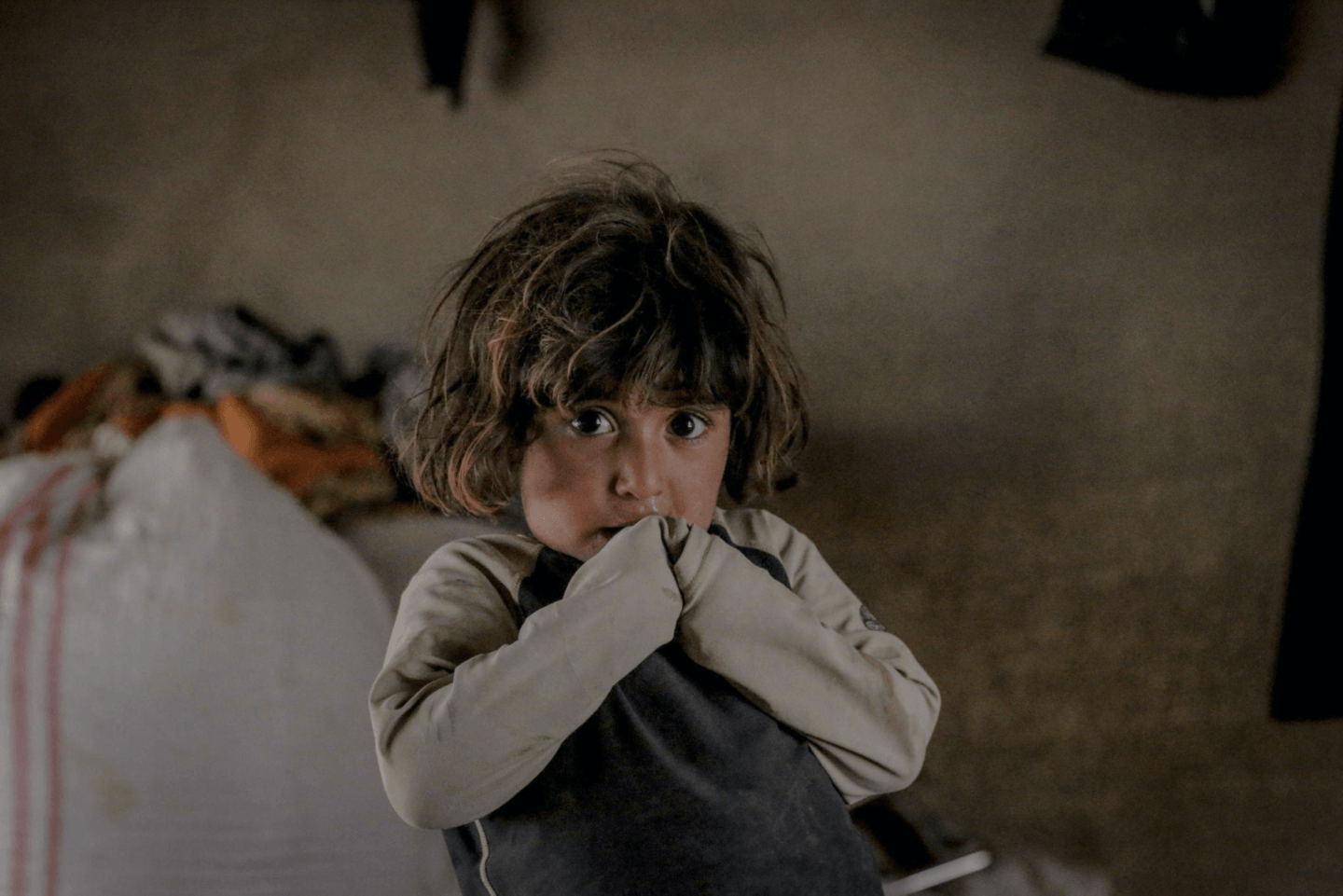
A child suffering abuse at home will often appear to be unwashed and may be wearing dirty, scruffy or ill-fitting clothing. They will also, in many cases, have unwashed and unbrushed hair which may result in conditions such as head lice. Additionally, these signs may be accompanied by a bad smell due to poor or no hygiene, including bad breath due to lack of teeth brushing.
Aggression
Often, an abused child will display outward aggression toward adults and other children and will often get into trouble at school. This is usually due to the child mimicking the behaviour that they experience at home.
The Emotional Signs of Child Abuse to Look For
Not all child abuse is physical – in fact, emotional abuse is the most common type of abuse in children. In this section, we’ll run through some signs which may indicate that a child is suffering emotional abuse, including:
Emotionally withdrawn
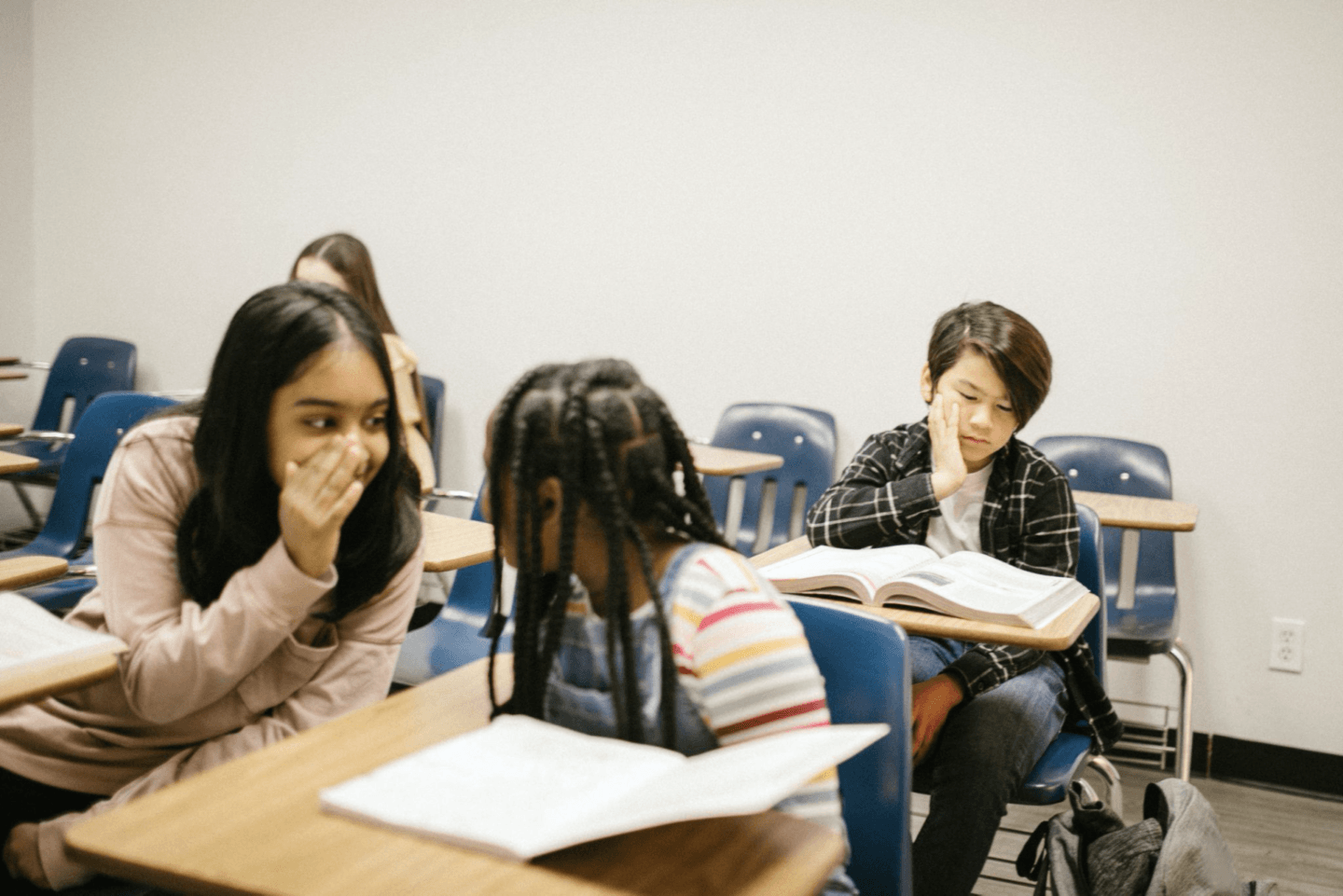
A child who is experiencing abuse will tend to withdraw into themselves and will avoid engaging with others. If a previously chatty and outgoing child starts to become subdued and withdrawn, this may be an indication that he or she is suffering abuse. Similarly, the child may constantly appear to be anxious and will often be constantly seeking approval.
Inappropriate conversation or behaviour
When a child appears – through conversation or behaviour – to have knowledge of adult topics such as sex, this can be a red flag for abusive behaviour happening in the home. If you notice such behaviour, or your child tells you about something concerning that another child has done or said, this may be an indication of sexual abuse and will require fairly urgent action.
What To Do If You Suspect That a Child is Being Abused
To begin with, it’s important to note that you don’t have to be sure that abuse is happening in order to take action. If you suspect a child is being abused there’s a couple of things that you can do, including:
- Talk to the child if possible – If the child is a regular visitor at your home, you may be able to get them to talk to you about what’s going on, although this will require a lot of patience and you may not feel completely comfortable, but this could be the first step in getting help for the child.
- Make a note – It’s a good idea to keep a record of the signs that you’ve spotted in order to build a picture for authorities should this be required. Be sure to include dates, times and locations which will help authorities to build a case should there be evidence found of abuse.
- Make a report – If you feel that a child is being abused in any way, the NSPCC helpline is available Monday to Friday between 10am and 4pm. Experienced operators will be able to offer help and advice and, in many cases, set your mind at rest about your concerns. Again, you don’t need to be certain that abuse is happening in order to get in touch.
Taking a stand to protect children…
Child abuse is devastating and can have a lifelong impact on the child’s life. Although the signs mentioned in this article do not definitely mean that abuse is taking place, they are certainly a good indication that something is not right in the child’s life.
Many of us will feel hesitant about taking action with respect to somebody else’s child and may fear repercussions from the child’s family. While this is, of course, a concern, it’s important to not ignore any potential signs of child abuse.
When making a call to the NSPCC helpline, you will be directed to a child protection specialist who will offer help and advice. Although the specialist will ask you a few questions, you do have the option to keep your identity confidential for peace of mind when making a report.
Please be advised that this article is for general informational purposes only, and should not be used as a substitute for advice from a trained legal professional. Be sure to consult a lawyer/solicitor if you’re seeking advice on child abuse. We are not liable for risks or issues associated with using or acting upon the information on this site.