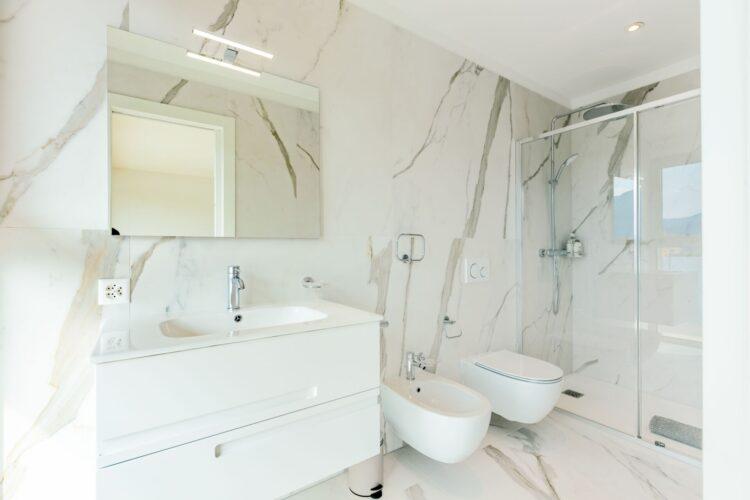
A bathroom renovation is an exciting project, but it can quickly become overwhelming without proper planning. From choosing layouts and fixtures to managing budgets and timelines, there are plenty of decisions to make along the way. Taking a structured approach from the start can help avoid unnecessary stress and costly mistakes later on. Rather than jumping straight into selecting tiles or taps, it’s worth spending time exploring your options and understanding what will work best for your space. Visiting a specialist Bathroom Store is a great place to begin, allowing you to see products up close, compare different styles, and get expert advice before making any final decisions.
1. Define the Brief Before You Browse
Good planning starts with clarity, not a Pinterest board. Ask yourself how the room needs to work. Is this a family bathroom that copes with morning rush hour, an ensuite that should feel like a hotel, or a compact cloakroom that needs to make a big impression?
Write down three non-negotiables. It might be a walk-in shower, proper storage for towels, or underfloor heating. Then list the nice-to-haves. This hierarchy stops you from blowing the budget on a freestanding bath if what you really need is better ventilation. Measure the space now and note soil pipe positions, window locations, and door swings. The existing plumbing layout will influence costs more than almost any other factor.
2.Set a Realistic Budget and Plan Ahead
A successful bathroom renovation starts with a clear and realistic budget. Before making any design decisions, it’s worth considering the overall scope of the project and identifying which features matter most to you. Having a financial plan in place can make the decision-making process much easier and help keep the project focused from start to finish.
It’s equally important to leave some room for unexpected costs. Renovation projects can sometimes uncover hidden issues such as ageing plumbing, damaged flooring, or outdated electrical systems. Allowing for these possibilities can help avoid unnecessary stress and ensure the project continues smoothly. A balanced budget also makes it easier to prioritise quality where it matters most while finding practical savings in other areas.
3. Design for How You Actually Live
A beautiful bathroom that doesn’t function is a daily frustration. Map your routine. If two people get ready at once, a double basin or a separate WC might matter more than a statement mirror. If you’re tired of cleaning, choose wall-hung sanitaryware and large-format tiles to reduce grout lines.
Think in zones: wet, dry, and storage. The shower or bath is your wet zone, so ensure good drainage falls and waterproof tanking. The dry zone is your vanity and WC area — keep it clear of splashes where possible. Storage is the zone most people forget. Shallow recessed niches, vanity drawers, and tall cabinets keep surfaces clear and the room feeling calm.
Lighting deserves its own plan. Combine task lighting at the mirror with softer ambient options for evening baths. All bathroom lighting must be IP-rated and installed by a qualified electrician to meet UK regulations.
4. Choose Materials That Work as Hard as They Look
Trends come and go, but durability is non-negotiable in a wet environment. Porcelain tiles outperform ceramic for water resistance. Quartz and solid-surface worktops shrug off stains better than natural marble. For flooring, consider slip ratings, especially in family homes.
Order samples and test them. Take tile samples home and splash them with water. Check how taps feel in your hand. Order a sample of your chosen grout colour and let it dry — it often looks darker on the wall than on the chart. These small checks prevent big regrets.
When it comes to showers, thermostatic valves are worth the investment for safety and consistent temperature. For toilets, look for rimless designs and water-efficient dual flushes. With brassware, warranties matter. A 10- or 15-year guarantee usually signals better internal components.
5. Assemble the Right Team Early
Unless you’re a seasoned DIYer, a bathroom renovation involves multiple trades: plumber, electrician, tiler, plasterer, and possibly a carpenter. Using a dedicated bathroom fitter or project manager can simplify coordination and reduce delays.
Always check credentials. Plumbers should be Gas Safe registered if they’re touching your boiler or radiators. Electricians need Part P certification for bathroom work. Ask for recent local references and photos of completed projects. A good team will spot design issues before they’re built and suggest practical fixes you haven’t considered.
Lead times are real. Quality tradespeople are often booked 6-12 weeks in advance. The same goes for stock. That perfect vanity unit might have an 8-week lead time. Order key items once your design is finalised, not when the old suite has already been ripped out.
6. Plan the Timeline and Prepare for Disruption
A standard bathroom takes two to three weeks if everything runs smoothly. A complex project with structural changes can take four to six. Build the schedule around your life. If it’s the only bathroom in the house, consider a temporary solution or plan the work while you’re away.
The sequence matters: first fix plumbing and electrics, then boarding and tanking, then plastering, tiling, and finally second fix and sealing. Rushing these stages causes leaks and failures later. Allow proper drying times between each step, even if it feels slow.
Before work starts, clear the room completely and protect nearby floors and furniture. Dust travels. Agree on working hours, site access, and daily clean-up with your fitter to keep the process civilised.
7. Snag, Seal, and Sign Off Properly
Don’t make the final payment until you’ve tested everything. Run the shower for ten minutes and check for leaks. Fill the bath and ensure it drains without pooling. Open and close every drawer and door. Check silicone lines are neat and complete.
Collect all warranties, manuals, and leftover tiles or paint for future repairs. Register your products online to activate guarantees. Then take a breath and enjoy it.
A smart renovation isn’t about spending the most. It’s about making informed decisions in the right order. With a clear brief, a realistic budget, and the right team, your new bathroom will work as well on day 1,000 as it does on day one.
Collaborative post