One zip, zero drama. Here’s why we’re obsessed.
Before I had a baby, I didn’t really think much about rompers. They were cute. They were small. They had little poppers on them. Fine.
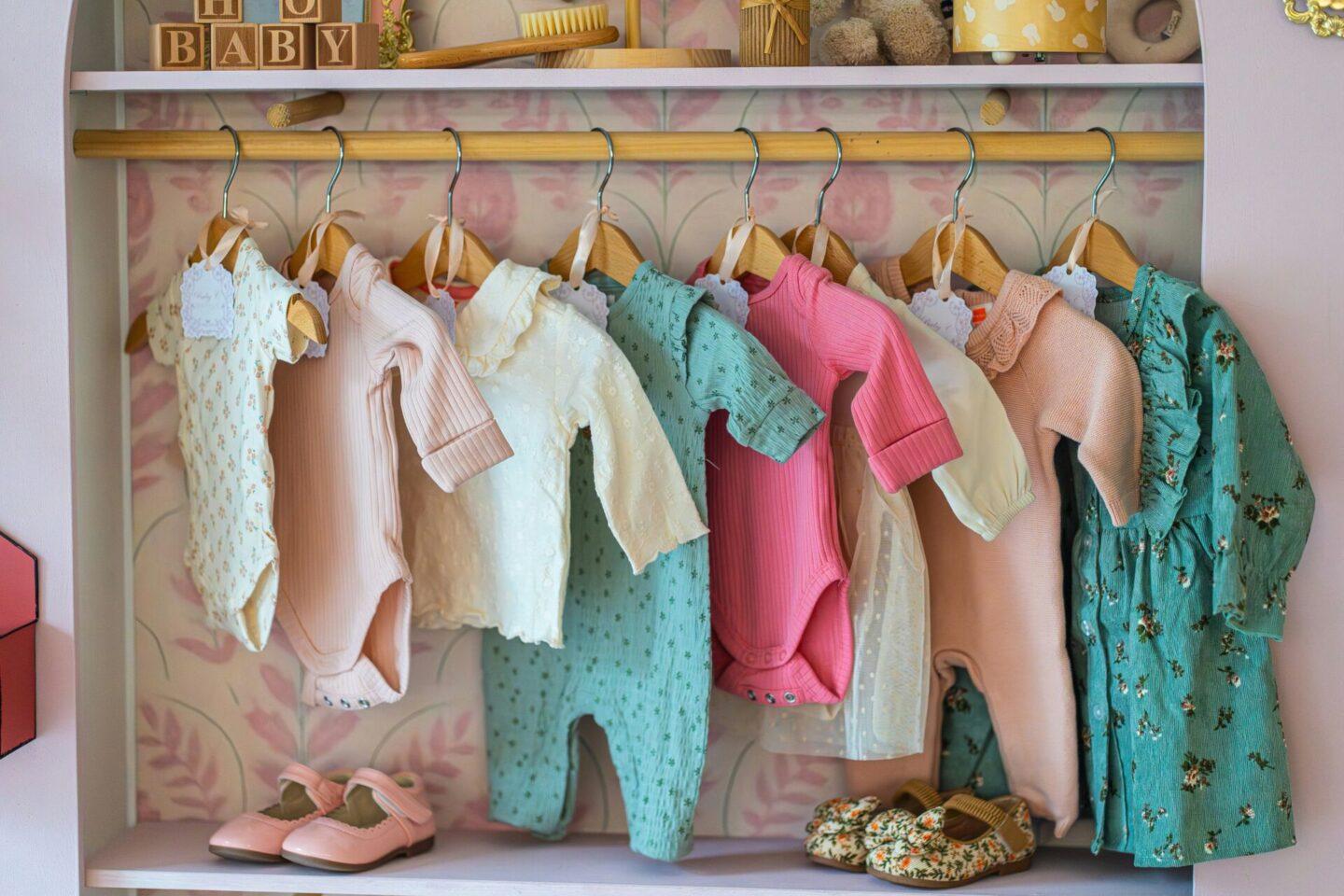
After I had a baby, I thought about rompers constantly. I had opinions about poppers versus zips (very strong opinions). I had feelings about necklines. I could assess a romper’s nighttime nappy-change viability at ten paces in near-total darkness. Parenthood does things to you.
Here’s what I discovered through hard-won, sleep-deprived experience: the baby romper, often overlooked in favour of more elaborate outfits and matching sets, is one of the most genuinely useful items in a baby’s wardrobe. Let me make the case.
The Practicality Argument
Let’s start with the basics. A romper is a one-piece. One piece. Which means when you’re doing a nappy change for the fifteenth time today (and it’s not yet noon), you’re managing one item of clothing, not coordinating a top and bottom that never stay properly aligned anyway. When you’re tired — and you will be tired — the ability to dress a wriggling baby in a single garment rather than a two-piece ensemble feels like a genuine luxury.
The best version of any romper has a zip rather than poppers. This sounds like a minor detail. It is not a minor detail. Poppers at 3am, in the dark, while a baby is doing their best impression of an angry octopus, are a specific form of sleep-deprivation torture that no parent should have to endure. If you take nothing else from this article, let it be this: always choose the zip.
The Safety and Comfort Argument
Rompers keep everything in place. No riding-up tops exposing a cold little tummy during tummy time. No waistbands that pinch or restrict a baby who’s learning to roll, wriggle, and generally discover the extent of their physical capabilities. A well-fitted romper moves with the baby, doesn’t bunch up, and keeps them comfortable whether they’re sleeping, playing on the mat, or being carried.
For sleep, a romper worn under a sleeping bag is ideal — it adds a layer of warmth without the loose fabric risk of a blanket, and it’s comfortable enough for your baby to genuinely settle in. For those doing sleep sack-based routines, a good base-layer romper is part of the whole system.
The Developmental Angle
Babies learn about their bodies through movement, and movement is supported by clothing that doesn’t restrict. Current guidance from paediatric physiotherapists is to avoid overly structured or stiff clothing in the early months — babies need to be able to kick, stretch, reach, and explore freely. Soft, stretchy rompers made from natural fibres support all of this.
As babies get older and start to pull to stand, cruise around furniture, and eventually walk, flexible clothing that doesn’t bind at the waist or cut into the nappy area remains important. The romper’s one-piece design earns its keep across all of these stages.
The Textile Matters More Than You Think
Not all rompers are equal, and the fabric difference is significant — particularly for babies with sensitive skin, which is most babies at some point. Look for GOTS-certified organic cotton, or bamboo blends, which are naturally thermoregulating, breathable, and gentle against new skin. Avoid anything with a high synthetic content if you can; they trap heat, don’t breathe, and can irritate.
Fit matters too. A romper that’s too large becomes a tangle of fabric; one that’s too small digs into the shoulders or crotch snap area. When in doubt, size up — a slightly generous romper worn layered under a cardigan looks adorable and allows room for movement.
A Note on the Aesthetic Case
I know I’ve been making a very utilitarian argument, but let’s not ignore the obvious: babies in rompers are objectively delightful. There is something universally charming about a small person in a well-fitting one-piece — possibly because it shows off those extraordinary chubby legs, or possibly because it just looks right in a way matching sets never quite manage.
Good rompers are also genuinely versatile. Pop a cardigan on top, add a pair of dungarees for an extra layer, or let the romper do all the work on a warm day. Multiple outfit variations from a single base layer — in the space-and-sanity economy of new parenthood, that’s a genuine win.
The Verdict
If you’re building a baby wardrobe — whether for your own baby or as a gift — start with the rompers. A few really good ones, in natural fabrics, with proper zips, in the right sizes for each season. Everything else is extra. The romper is the foundation. Trust me on this. I have the 3 am nappy-change credentials to prove it.