Packing a garage is often one of the most challenging tasks when moving. It’s usually full of heavy tools, sharp objects, chemicals, and all those things.
Unlike other rooms in the house, the garage needs a detailed plan and packaging to guarantee everything is secure and orderly during the transfer. But you can make this daunting task controllable with some clever planning and some professional advice from movers and packers.
Here are some useful pointers on safe and effective garage packing to make sure all of your tools and equipment reach your new house undamaged.
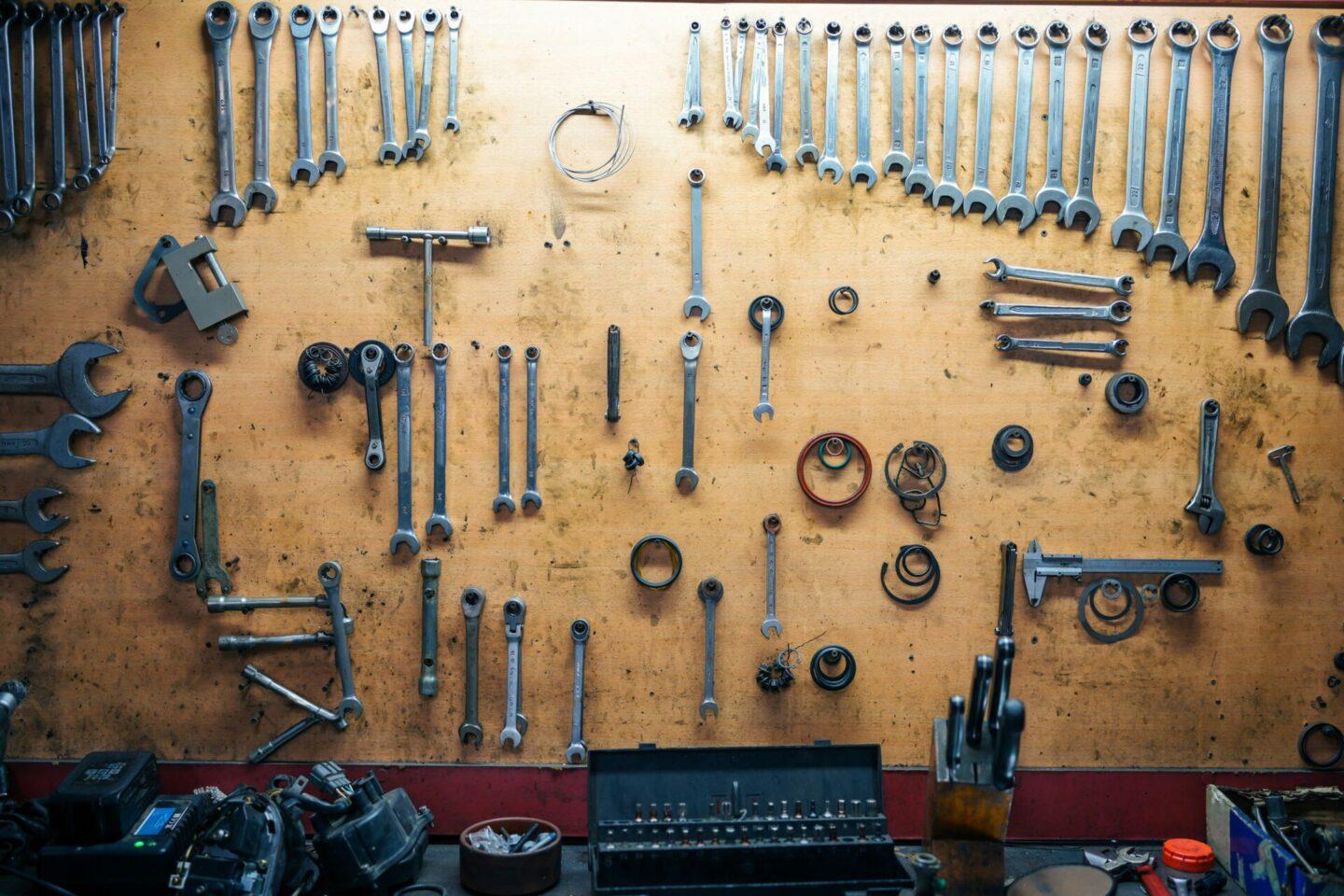
Declutter and Sort Your Garage
Before you begin packing, make sure to clean your garage. From broken tools to half-empty paint buckets, garages sometimes become dumping sites for obsolete objects. Sort everything first into four stacks: keep, donate, sell, and toss.
Tell yourself honestly: if something hasn’t been used in more than a year, it’s likely time to let it go. Since movers and packers usually won’t carry any dangerous things, carefully dispose of any such materials, such as old paint, solvents, and chemicals, according to local guidelines.
Decluttering saves time and money by shortening the number of boxes, therefore simplifying packing.
Gather the Right Packing Supplies
Organising a garage requires specific tools to maintain organisation and safety. Make investments in strong moving boxes, heavy-duty packing tape, bubble wrap, packing paper, plastic bins, and labels. For especially heavy or pointy objects, think about using customised containers, toolboxes, or padded blankets as padding.
Clear, labelled containers or ziplock bags should accommodate small items like screws, nails, and other hardware to help prevent loss. Plastic bins provide more protection against dust, moisture, and spills than cardboard boxes, so movers and packers sometimes advise using them not only for moving but also when you optimise garage space.
Pack Hand Tools and Power Tools Safely
Regarding packing tools, your first concern should be safety. Before packing, be sure any fuel or oil from power tools and equipment is drained. It lowers the chance of leaks or spills en route.
For drills and saws—secure any moving components with zip ties and cover the tool in a cushioned blanket or bubble cover. If you still have them, store them in their original boxes. They offer the finest fit and protection.
Professional movers and packers recommend labelling these boxes as “heavy” to ensure a smooth relocation process. This simple step can prevent any unwanted mistakes and make the moving process much safer and easier.
Disassemble Large Items When Possible
Disassemble large items, such as workbenches, shelves, and outdoor gear, before packing. Along with saving space, this makes taking these objects easier and less likely to cause damage. Store screws, bolts, and other small items in marked ziplock bags. Tape these bags tightly to the prior part of the object so you may readily reassemble them later.
If you have any overweight or awkward-shaped instruments like wheelbarrows, hedge trimmers, or lawnmowers, be sure to clean them completely and empty any fuel. If at all possible, movers and packers advise half disassembling these objects to facilitate efficient packing and transportation.
Secure Hazardous Materials and Chemicals
Paint, oils, insecticides, and cleaning agents are just a few of the dangerous items found in many homes, including garages. Safety rules point out that most movers and packers won’t be able to move these items. Hence, it’s better to use or discard as many of them as you can before moving day.
For any products that need to be relocated, including vehicle fluids or vital chemicals, ensure they are securely locked and kept in their original containers. Clearly specify them, then put them in a leak-proof plastic bin with paper to stop movement. Store these containers apart from other objects to reduce the possibility of spills and guarantee their careful handling.
Organise Cords, Cables, and Small Parts
Small bits, cables, and cords all easily create a complicated mess during a relocation. Wrap the cord neatly and secure it using cable ties or rubber bands to maintain organisation. To simplify the setup process in your new home, attach labels to each cord showing the corresponding tool or device.
Clear, marked containers should hold small items, including bolts, screws, and nails. For the best separation and accessibility of these objects, think about using small box organisers or kit boxes. Often offering packing kits, especially for tiny items, movers and packers help to guarantee nothing is lost during the transfer.
Use Plastic Bins for Heavy and Sharp Items
Plastic bins are your buddy when carrying extreme or heavy objects, such as saw blades, garden shears, or metal tools. Plastic bins offer an additional layer of protection against sharp edges that can damage other goods or cause injury, unlike cardboard boxes, which will tear under the weight.
To protect the contents of every container:
- Line its bottom with a towel or bubble wrap and arrange the heaviest objects there.
- Top with smaller objects, covering any voids with rags or packing paper to stop moving.
- Tightly shut the roofs and mark every bin with its contents for simple unpacking.
For garage objects, movers and packers regularly rely on heavy-duty plastic bins to guarantee safe and secure packing.
Label Everything Clearly
When storing a garage, clear labels are quite essential since they enable you to find everything and simplify unpacking. Name every box or bin using a strong marker and the room to which it belongs. If objects are delicate, heavy, or need special handling, provide particular notes.
To separate tools, garden supplies, and other categories, colour-code your labels. Whether you’re working with movers and packers who have to know where to put things in your new garage or you’re unloading goods yourself, this visual method helps you find what you need fast.
Pack Garden Tools and Outdoor Equipment
Shovels, rakes, and hoes are among the garden equipment that should be gathered together and fastened with bungee cord or rope. To guard against mistakes, wrap any sharp edges in towels or bubble wrap. Hand trowels and pruners are among the smaller gardening tools that fit nicely in a plastic container or strong box.
To reduce space and simplify the movement of bigger outdoor equipment, including barbecues, patio furniture, or bicycles, think about partial dissemble. Before packing, clean everything completely to prevent dirt and bugs in your new house. For big outdoor objects, movers and packers may offer specific wrapping services to guarantee they are damage-free on route.
Use Professional Movers and Packers for a Hassle-Free Experience
If packing your garage still feels daunting, think about using experts in movers and packers. These professionals have the knowledge, tools, and abilities needed to manage even the most difficult packaging jobs. They will pack your goods tightly, bring the appropriate supplies, and guarantee perfect labelling and organisation of everything.
Movers and packers can also supply custom crating for delicate or precious tools, therefore relieving you of worry about your goods. Knowing your garage is in good hands helps you concentrate on other elements of your relocation by allowing experts to handle the heavy lifting.
Wrapping Up
Loading your garage need not be a difficult chore. You may securely and quickly pack everything with the correct strategy, careful organisation, and maybe some assistance from expert movers and packers.
Decluttering, choosing appropriate packing materials, and maintaining safety can help you make sure your tools and equipment arrive safely at your new house.