Israel, a land steeped in history, culture, and spirituality, offers a unique travel experience that captivates visitors from around the world. Whether you’re drawn to its ancient archaeological sites, vibrant modern cities, or diverse landscapes, planning a trip to Israel requires careful consideration. This comprehensive guide will help you navigate the essentials of organizing your Israeli adventure.
Best Time to Visit
The ideal time to visit Israel largely depends on your preferences and the activities you wish to pursue. Generally, spring (April to May) and autumn (September to November) offer the most pleasant weather conditions, with mild temperatures and lower chances of rainfall. These seasons are perfect for exploring outdoor sites and enjoying the country’s natural beauty.
Summer (June to August) can be extremely hot, especially in desert areas, but it’s a popular time for beach activities along the Mediterranean coast. Winter (December to March) brings cooler temperatures and occasional rain, but it’s an excellent time for visiting religious sites and participating in various Israel Christian Tours.
Visa Requirements
Many nationalities, including citizens of the United States, Canada, and most European countries, do not need a visa for stays up to 90 days. However, it’s essential to check the most current visa requirements with the Israeli Ministry of Foreign Affairs or your nearest Israeli embassy before traveling.
Transportation
Israel has a well-developed transportation system, making it relatively easy to get around the country:
- Flights: Ben Gurion Airport near Tel Aviv is the main international gateway. Domestic flights connect major cities like Tel Aviv, Jerusalem, and Eilat.
- Trains: Israel Railways operates an efficient network connecting major cities and towns.
- Buses: An extensive bus system covers most of the country, including intercity and local routes.
- Car Rental: Renting a car gives you flexibility, especially for exploring remote areas.
Must-Visit Destinations
Israel packs a wealth of diverse attractions into a relatively small area. Here are some must-visit destinations:
- Jerusalem: The spiritual heart of the country, home to significant religious sites for Judaism, Christianity, and Islam.
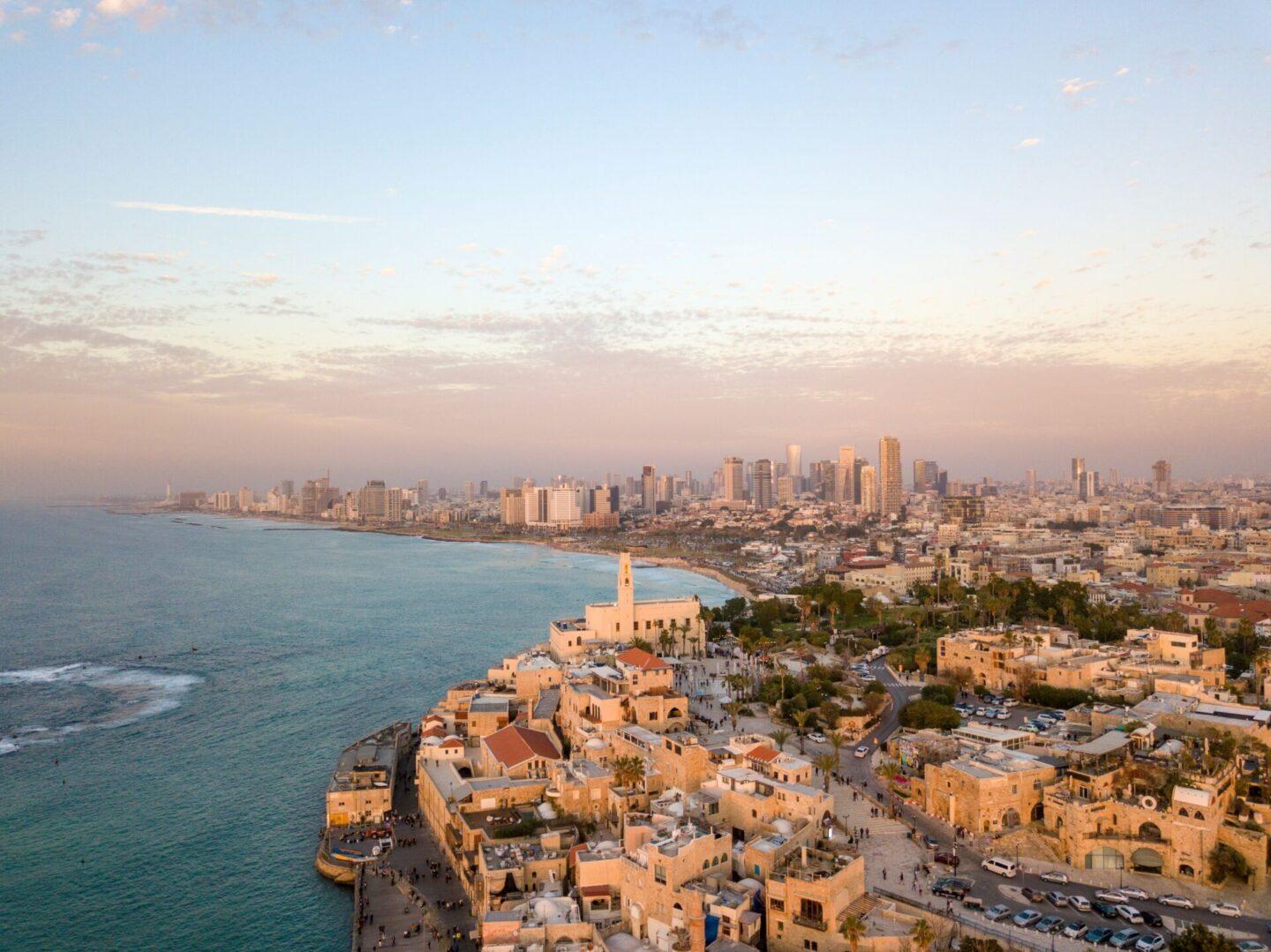
- Tel Aviv: A vibrant coastal city known for its beaches, nightlife, and modern culture.
- Dead Sea: The lowest point on Earth, famous for its mineral-rich waters and mud.
- Masada: An ancient fortress with a dramatic history, offering stunning desert views.
- Sea of Galilee: A freshwater lake with religious significance and beautiful surroundings.
- Haifa: Home to the beautiful Bahá’í Gardens and a mix of cultures.
Accommodation Options
Israel offers a wide range of accommodation options to suit various budgets and preferences:
- Hotels: From luxury resorts to budget-friendly options in major cities and tourist areas.
- Hostels: Popular among budget travelers, especially in Tel Aviv and Jerusalem.
- Kibbutz Stays: A unique experience to immerse yourself in Israel’s communal living tradition.
- Airbnb and Vacation Rentals: Widely available, offering a more local experience.
Cultural Considerations
Understanding and respecting local customs will enhance your travel experience:
- Dress modestly when visiting religious sites.
- Be aware of Shabbat (from Friday evening to Saturday evening), when many businesses close.
- Learn a few basic Hebrew or Arabic phrases to connect with locals.
- Respect security measures, which are common throughout the country.
Culinary Delights
Israeli cuisine is a delicious blend of Middle Eastern and Mediterranean flavors. Don’t miss trying:
- Falafel and hummus
- Shakshuka
- Israeli salad
- Fresh fruits and vegetables from local markets
Safety and Health
Israel is generally a safe country for tourists, but it’s wise to stay informed about the current situation. Consider these tips:
- Purchase comprehensive travel insurance.
- Stay updated on travel advisories from your government.
- Drink bottled water in remote areas.
- Protect yourself from the sun, especially in summer and desert regions.
Budget Planning
Israel can be relatively expensive compared to some other Middle Eastern destinations. Plan your budget considering:
- Accommodation costs, which can be high in popular areas.
- Transportation expenses, including potential car rentals.
- Entrance fees to attractions and national parks.
- Dining out, which can vary greatly in price.
Conclusion
Planning a trip to Israel is an exciting endeavor that promises a rich and diverse experience. From its ancient historical sites to its modern innovations, Israel offers something for every traveler. By considering the aspects covered in this guide – timing, transportation, destinations, accommodations, cultural nuances, and practical considerations – you’ll be well-prepared to embark on an unforgettable journey through this fascinating country. Remember to remain flexible in your plans and open to the unexpected experiences that often make travel so rewarding. Your adventure in Israel awaits!