In the sanctuary of our homes, we often assume that the everyday items surrounding us are harmless. However, a closer examination reveals that several household items harbour hidden risks that can compromise the safety of our families.
From seemingly innocuous appliances to common cleaning products, understanding these potential hazards is crucial for creating a secure living environment. In this article, we aim to highlight the unsuspecting dangers lurking within our homes, urging us to reassess our daily interactions with familiar items.
Kitchen Appliances
The kitchen, often considered the heart of the home, harbours potential risks within seemingly harmless appliances. Sharp knives, malfunctioning gadgets, and outdated equipment can all pose dangers. Beaumont Emergency Hospital reports that the majority of home fires originate in the kitchen, causing 480 annual fatalities. Moreover, kitchen knives result in 350,000 injuries yearly.
Regular maintenance and proper handling are crucial to mitigate these risks. Ensuring that appliances are in good working condition, practising safe food handling, and keeping sharp objects out of reach of children are essential steps. This helps maintain a secure kitchen environment.
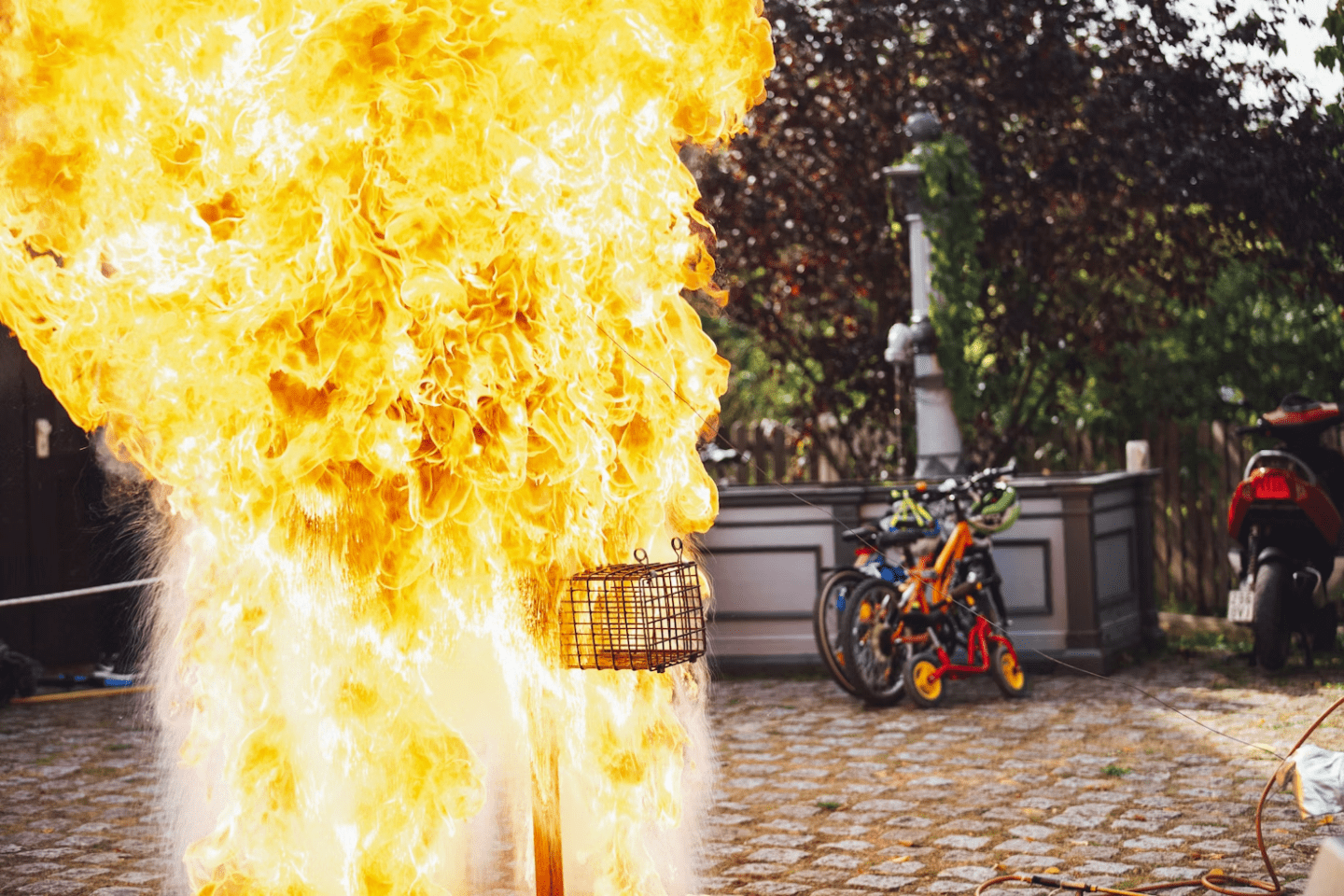
Pressure cookers, celebrated for their time-saving abilities, are not without risks. Users may wonder, “Can a pressure cooker explode?” In rare instances, yes, a pressure cooker can explode due to a malfunction or misuse. This potential risk has led to lawsuits against manufacturers and has prompted heightened awareness of pressure cooker safety.
Manufacturers are typically obligated to design products that meet safety standards, and when pressure cookers fail to do so, legal actions may be pursued. Instances of explosions resulting in injuries or property damage have prompted consumers to seek compensation for medical expenses, pain and suffering, and other damages.
These lawsuits often focus on design defects, manufacturing errors, or inadequate warnings and instructions provided by the product.
According to TorHoerman Law, several high-profile cases have drawn attention to the dangers associated with pressure cookers in recent years. Consumers insist that manufacturers must be held accountable for product-related harm, particularly if risks were inadequately communicated or safety features proved insufficient.
Overall, vigilance in the kitchen not only enhances safety but also fosters a healthier and more enjoyable cooking experience for the entire family.
Hidden Electrical Threats
While electrical appliances make our lives more convenient, hidden dangers lurk within the wires and circuits of our homes. Faulty wiring, overloaded outlets, and ageing electrical systems can lead to sparks, shocks, or even fires.
SafetyNow ILT states that electricity triggers over 140,000 fires annually, causing 400 deaths, 4,000 injuries, and $1.6 billion in property damage. Regular electrical inspections by professionals, avoiding the use of damaged cords, and adhering to load limits on outlets are key preventative measures.
Awareness of the signs of electrical problems, such as flickering lights or burning smells, empowers homeowners to address issues promptly. This reduces the risk of electrical accidents and promotes a safer living environment.
Chemical Hazards in Cleaning Products
Cleaning products promise hygiene, but some conceal chemical hazards that can impact health. Many household cleaners contain potentially harmful substances, such as ammonia and bleach. Prolonged exposure or improper use can lead to respiratory issues, skin irritations, or more severe health problems.
It is crucial to read labels, follow instructions, and opt for eco-friendly alternatives when possible. Adequate ventilation and the use of protective gear, such as gloves, are additional precautions to minimize exposure to harmful cleaning chemicals. This ensures a healthier home environment for all occupants.
Unsecured Furniture and Falling Hazards
While furniture provides comfort and functionality, unsecured items can become falling hazards, particularly in homes with young children. Unanchored bookshelves, top-heavy furniture, or improperly mounted wall decorations pose risks of tipping over.
Securing furniture to walls, utilizing anti-tip straps, and keeping heavy items on lower shelves are effective measures to prevent accidents. Regularly inspecting furniture for stability and educating family members about the importance of securing items can significantly reduce the risk of injuries.
Choking Hazards for Children
According to the Child Safety Pledge, children under the age of three account for 75% of choking deaths. This makes choking a leading cause of death in infants and toddlers in the United States. Childproofing homes is essential to protect curious young ones from potential choking hazards. Small objects, including toys, household items, or even food, can pose risks.
Parents and caregivers should be vigilant in removing small objects from a child’s reach, especially those that could be easily swallowed. Investing in age-appropriate toys, keeping small items out of reach, and supervising young children during playtime helps create a safe living space for children.
Fire Hazards and Home Safety
Home fires are a significant threat, often originating from various household items. Faulty wiring, neglected candles, and improperly stored flammable materials can contribute to the risk of fires. Installing smoke detectors, keeping fire extinguishers within reach, and practising fire safety drills with family members are essential precautions.
Regularly inspecting electrical systems, avoiding overloading outlets, and extinguishing candles before leaving a room can significantly reduce the likelihood of fire-related incidents. Awareness and proactive measures in addressing potential fire hazards play a pivotal role in safeguarding homes and the well-being of the entire family.
In summary, recognizing the concealed hazards within our homes is vital for safeguarding our families. From kitchen perils to electrical threats, chemical hazards, falling risks, and choking dangers, informed precautions are essential.
Whether it’s regular maintenance, secure furniture practices, or choosing safer alternatives, our actions shape a secure living space. Legal attention to product safety underscores the importance of manufacturers prioritizing consumer well-being.
Through awareness and proactive measures, families can significantly reduce the potential for accidents. Ultimately, prioritizing home safety contributes not only to physical well-being but also to the peace of mind within the cherished sanctuary we call home.