With the internet in everyone’s pocket, we are so ‘often ‘connected’ that finding a hobby like gardening that allows you to slow down, be at one with nature, and nurture something beautiful can be incredibly fulfilling.
Whether you have a sprawling back garden or just a tiny balcony, you can cultivate your outdoor space and reap the rewards of gardening as a hobby.
So let’s get started!
The Joys of Gardening
So why is gardening such a great hobby?
1. Stress Relief
Gardening has been shown to reduce stress and promote relaxation. Spending time in your garden, surrounded by the soothing sounds of nature, can be a wonderful way to unwind after a hectic day. Leave your phone behind, listen to some music and just forget all your worries and stresses.
2. Connection with Nature
In an increasingly digital world, gardening reconnects us with the natural world. It allows us to witness the wonders of growth, the changing seasons, and the delicate balance of life.
3. Creative Expression
Gardening gives you the opportunity to express your creativity through plant selection, arrangement, and landscape design. Your garden becomes your ever-changing canvas and you can enjoy its beauty.
4. Healthy Exercise
Digging, planting, weeding, and tending to your garden can be a fantastic workout. Gardening not only keeps you physically active but also encourages a sense of purpose and accomplishment.
5. Fresh and Organic Produce
If you decide to grow vegetables or herbs, you’ll have access to fresh, organic produce right on your doorstep. There’s nothing quite like the satisfaction of harvesting your own tomatoes or digging your spuds.
So what do you need to get started?
Gardening must haves
1. Seeds and Plants
- Flower Seeds: A garden without beautiful blooms is like a book without pictures. Choose a variety of flower seeds to add colour and fragrance to your space. Some easy-to-grow options include marigolds, zinnias, and sunflowers.
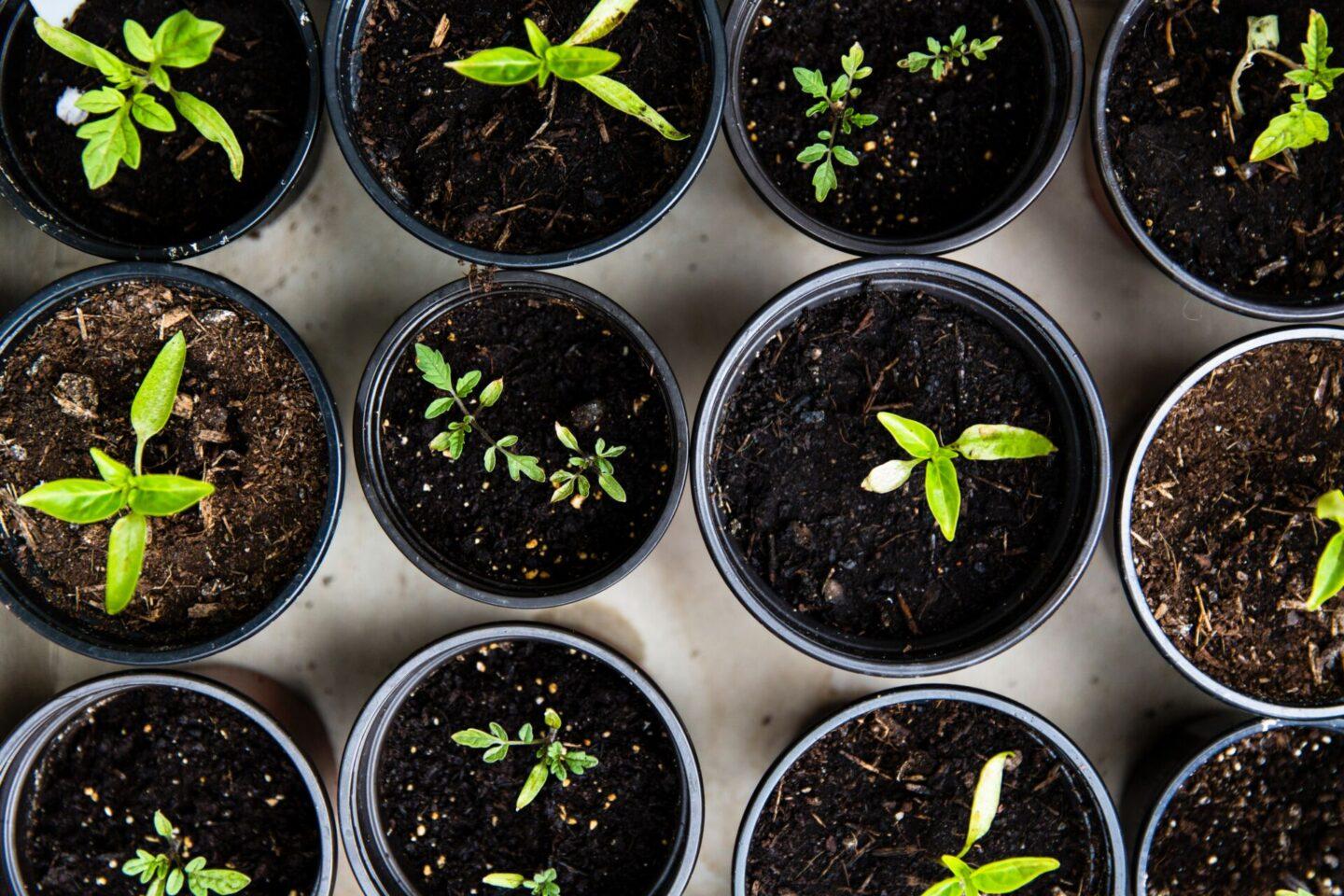
- Vegetable Seeds: If you’re interested in growing your own vegetables, consider starting with tomatoes, peppers, and lettuce.
- Herb Plants: Fresh herbs like basil, rosemary, and mint can elevate your culinary adventures.
- Shrubs and Trees: For a more established garden, consider adding shrubs and trees for structure and shade.
2. Soil and Compost
- Potting Soil: Invest in high-quality potting soil that is appropriate for your specific plants. Some plants may require well-draining soil, while others prefer moisture-retentive options.
- Compost: Compost enriches the soil with essential nutrients. You can either buy compost or start your composting bin with kitchen scraps and garden waste.
3. Containers and Pots
- Pots and Planters: Choose pots of various sizes and materials to accommodate different plants. Terra cotta, plastic, and ceramic pots are popular options.
- Hanging Baskets: These are great for trailing plants like petunias or ivy.
- Raised Beds: If you have more space, consider building raised beds for vegetables and larger plants.
4. Gardening Tools
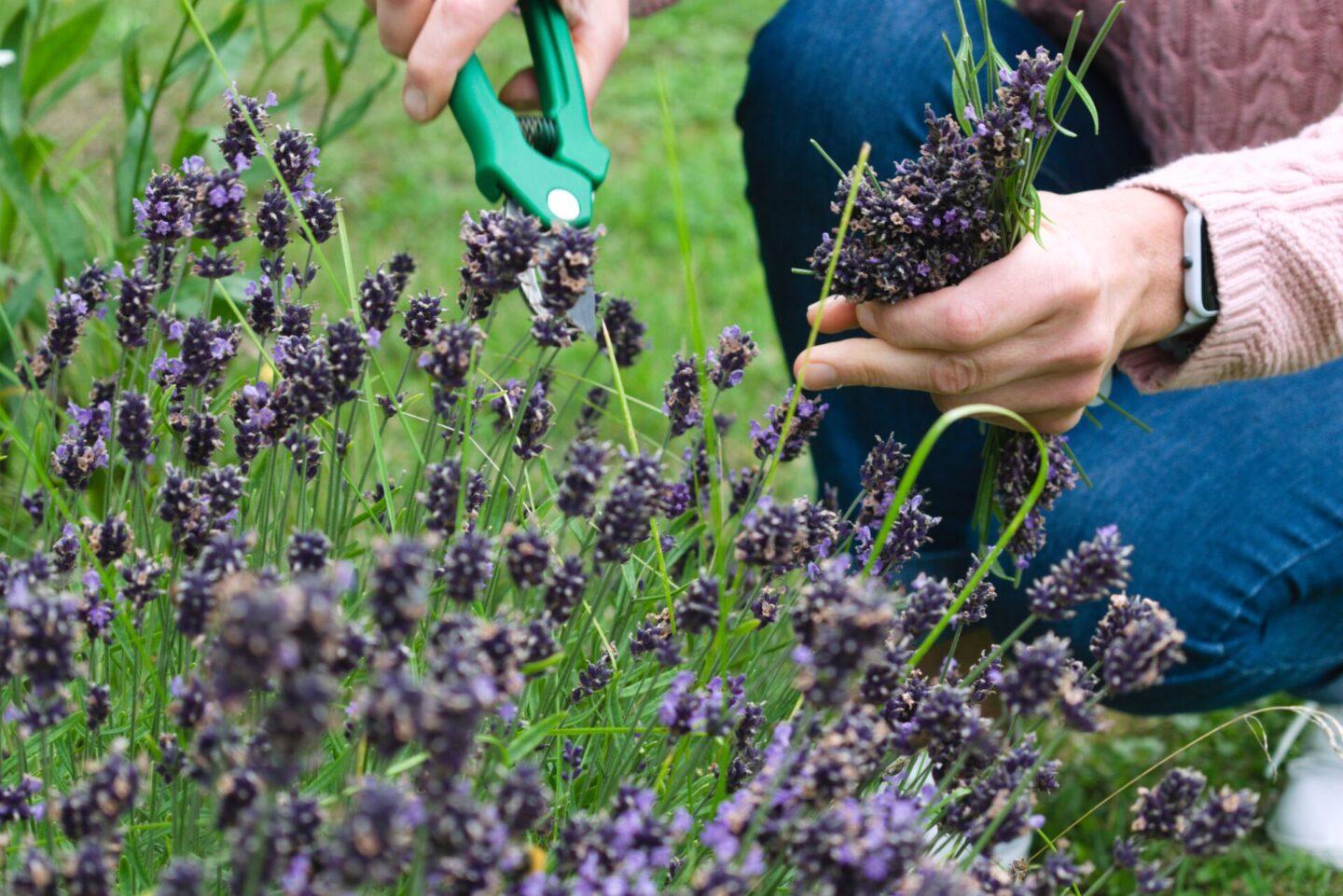
- Hand Tools: Invest in a set of essential garden hand tools, including a trowel, hand fork, and secateurs for pruning.
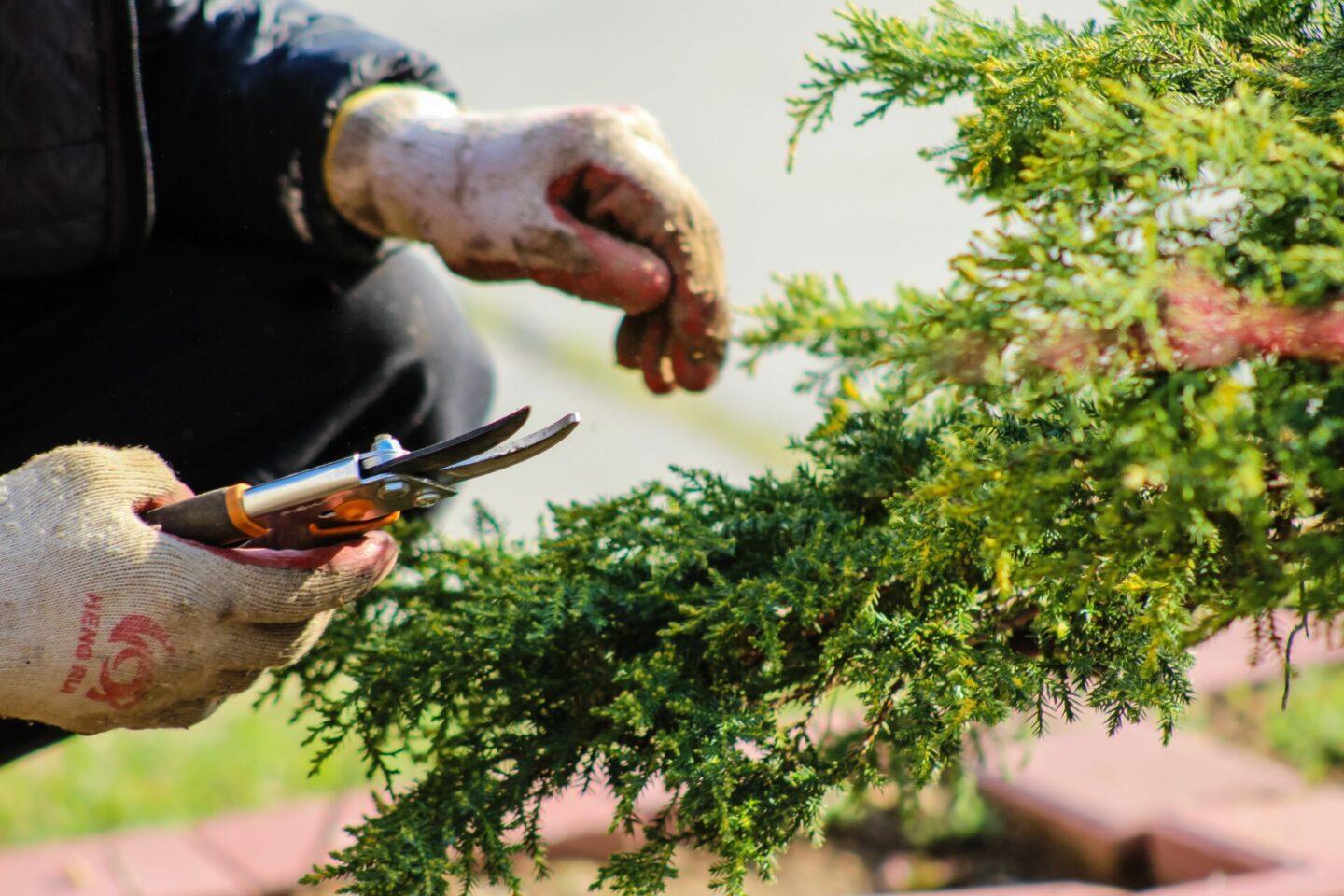
- Gloves: Protect your hands from thorns, dirt, and chemicals with a decent, thick pair of gardening gloves.
- Watering Can or Hose: Ensure your plants get the right amount of water with a watering can or hose.
- Wheelbarrow: Useful for transporting soil, mulch, and plants around your garden.
5. Fertilizers and Pest Control
- Fertilizers: Choose organic or synthetic fertilizers based on your preferences. Different plants may require different types of fertilizers.
- Pest Control: Be prepared to combat common garden pests – your local garden centre will have appropriate pest control options.
6. Garden Accessories
- Decorative Stones and Mulch: Enhance the aesthetics of your garden with decorative stones or mulch.
- Garden Décor: Consider adding garden ornaments, bird feeders, or wind chimes to personalise your outdoor space.
- Plant Labels: Keep track of your plants by labelling them with attractive plant markers.
7. Books and Resources
- Gardening Books: Invest in a good gardening reference book to learn about specific plants, care tips, and troubleshooting.
- Online Resources: Use websites, forums, and social media groups for advice and inspiration from experienced gardeners.
Gardening as a hobby offers a wealth of benefits, from stress relief to health benefits and of course the joy that you can gain from seeing your hard work spring to life! Whether you’re nurturing flowers, vegetables, or herbs, the sense of accomplishment that comes from watching your garden thrive is truly rewarding.
As you embark on this journey, ensure you have the right tools and supplies to make your gardening experience enjoyable and fruitful.
Happy gardening!