Every child is different when it comes to finding their particular learning style, and your child will also have their own way of enjoying what they learn and develop on. To help your child find their unique learning style, here are some tips we recommend.
Learn what the different learning styles are called
Knowing the names and general terms for learning styles will help you learn what to look out for in how your child adapts to different subjects and how they appreciate them. The main terms are auditory, writing, visual and kinesthetic, but there are other elements you can consider as well that compliment these areas.
As a base these can help you work out how your child prefers to learn and what can help them with their future studies. For instance, if your child appreciates listening to music and following directions verbally, then they may prefer learning in an auditory way as opposed to writing things out by hand.
From here, you can work out where your child excels. It’s different for each child and it can also change as they get older, so it’s wise to be open about their certain choices and what can be done to help their learning.
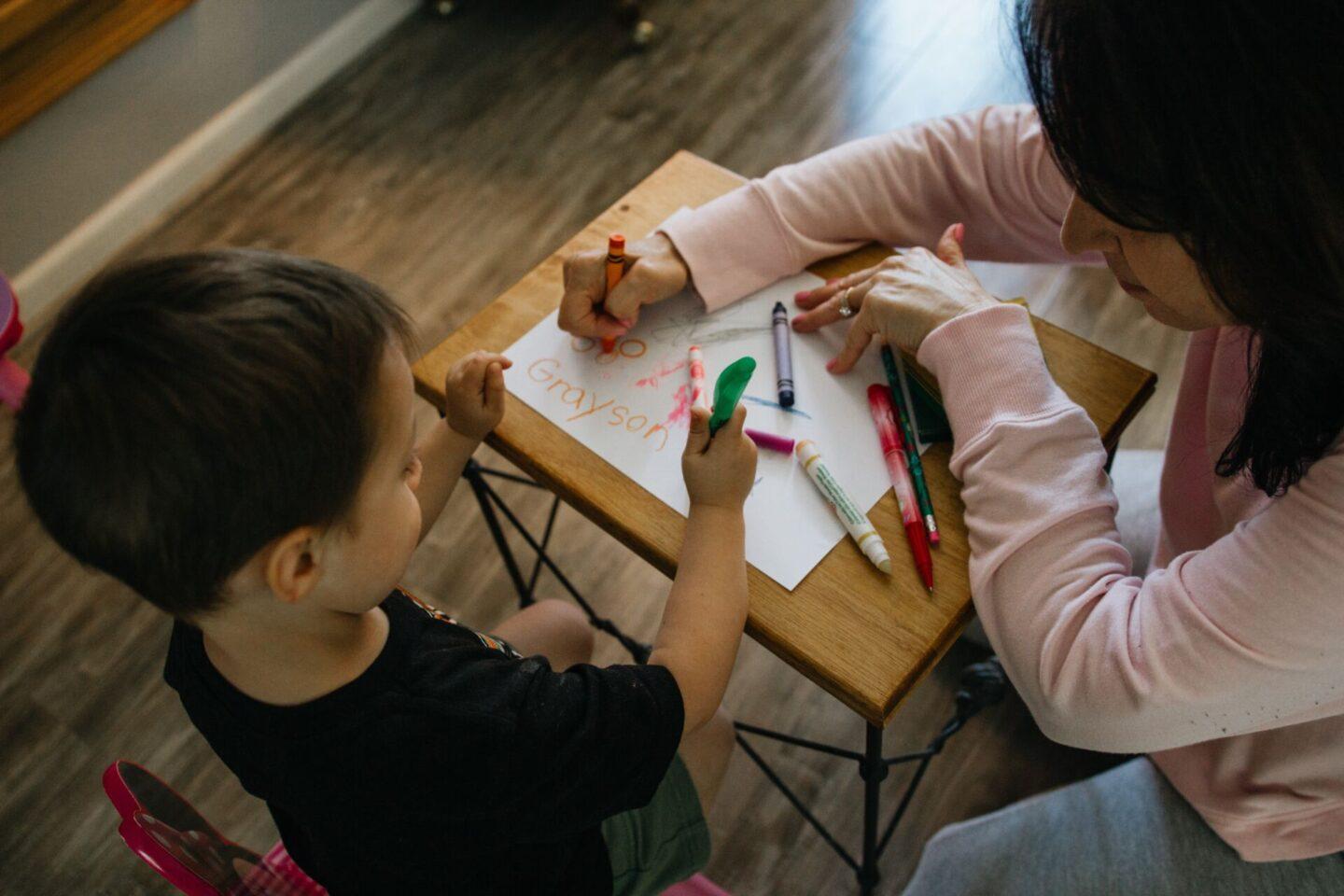
Identify your child’s strengths
A good approach to start with is looking at where your child does well in school. There could be a lot of areas they excel in already, such as their problem solving skills, or their ability to write things down quickly. Pay attention to the finer details when it comes to their learning skills, as they can show you where your child is developing.
Also pay attention to your child’s weaknesses
This is another aspect that will help you identify your child’s unique learning style. While your child may work really well under pressure, for instance, they might have a hard time knowing how to make quick decisions. It will help you learn where you can properly support your child in these scenarios, which can work in both ways. It’s a good opportunity to find a different way to support your child as well, and something your child’s school can help with as well.
At parents’ evenings, general conversations with teachers and other opportunities, you can talk to teachers about where your child performs well and what can help them with their progress. This prep school in London will recommend talking to teachers about other things you might have missed as well, since a lot of weaknesses will appear in the classroom.
Remember to keep in mind that every child is different, and their particular learning styles will vary and adapt as they get older. Allow them to explore those learning opportunities where they can.