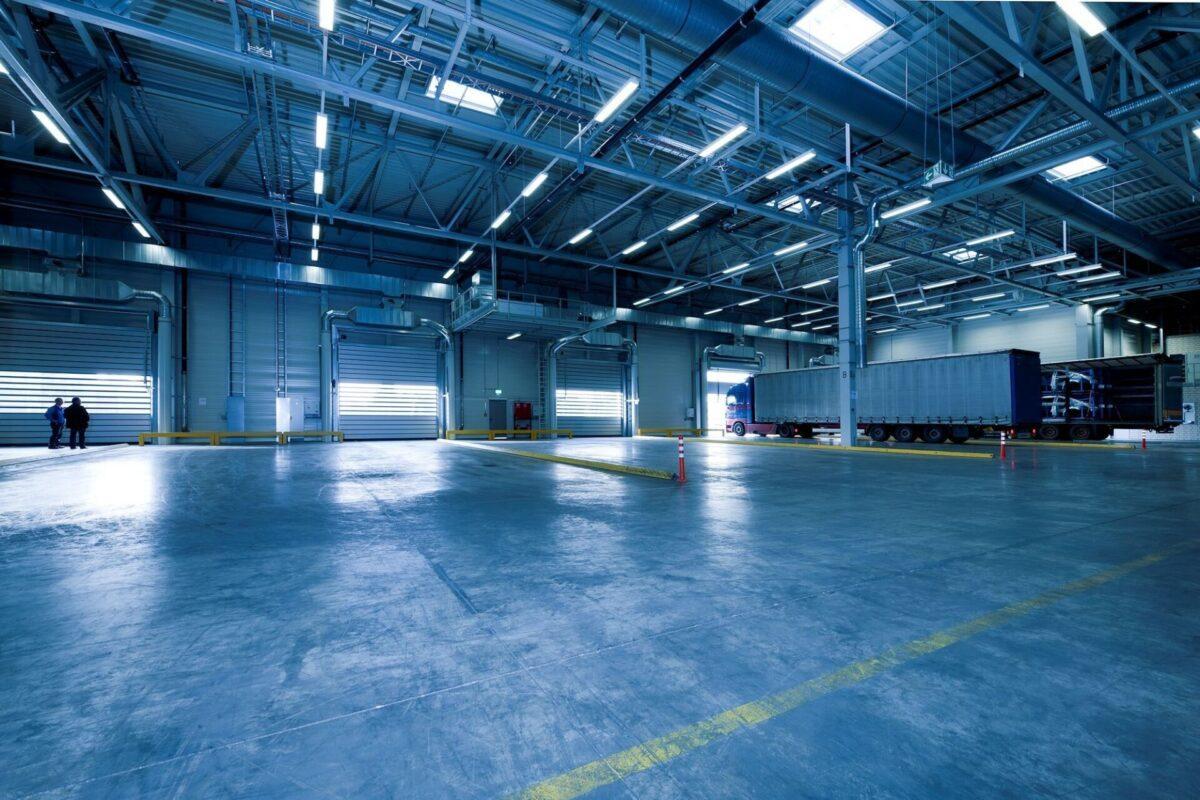
Making the decision to move a factory to a new location is a significant undertaking. It requires careful planning and consideration of all potential factors that may affect the success of the relocation project. Moving a factory involves setting up new infrastructure, managing logistical concerns, and ensuring operational continuity and compliance with existing regulations.
Therefore, it is important for businesses to understand the implications of relocating their factories before committing to such an endeavour. This article will provide an overview of what needs to be considered when moving a factory to a new location.

Assessing the Cost and Benefits of Moving a Factory
When assessing the cost and benefits of moving a factory, it is essential to consider both short-term and long-term gains. In the short term, businesses may be able to benefit from lower labour costs and access to new markets or resources at their destination location. However, for long-term benefits, businesses should factor in improved efficiency from streamlined production processes and higher profits from increased productivity or reduced operating costs.
It is essential to consider all associated relocation costs, such as shipping fees for machinery, equipment, and supplies; setup charges for infrastructure; administrative procedures such as obtaining permits; labour costs for personnel hired to move the factory; potential taxes due at the new location; and any related legal expenses.
Businesses also need to consider any indirect costs that can result from the disruption of regular business operations due to delays or other unforeseen problems during relocation. This includes potential losses in revenue due to reduced production capacity during transit and additional marketing expenses to alert customers and partners of their new location.
Identifying the Best Location for Relocating a Factory
Once a company has decided to move its factory, the next step is to identify the best location for relocation. Again, location plays a key role in the project’s success because it will determine how much money and resources need to be invested.
Companies must assess several factors when selecting a new factory site, including accessibility, local labour supply and wages, tax advantages or incentives offered by local government entities, availability of raw materials and suppliers that serve their industry, environmental regulations and requirements, infrastructure such as transport links or utilities, access to new markets or customers in the vicinity of the proposed location and any other relevant factors that may impact business operations.
Additionally, businesses must consider whether moving to a particular area will create conflicts with existing competitors and potentially create an uneven playing field. Therefore, businesses should always do thorough research about other businesses in the vicinity and any possible implications of their relocation.
Market trends should also be taken into account when selecting a new location. For example, suppose the industry is expected to shrink in the near future due to changing consumer habits or technological advancements. In that case, businesses should carefully weigh their options before making an investment in relocating their factories.
Securing Necessary Approvals and Permits for Relocation
Once a company has identified the ideal relocation location, it must then secure all necessary approvals and permits in order to open its new factory officially. This process can be complex and time-consuming, involving a variety of local, state, and federal agencies.
Businesses will need to apply for building permits from the local government that outline all aspects of construction and installation requirements. Alongside building permits, a company must apply for additional safety permits if it plans to operate hazardous materials or processes within the facility.
It is important to note that some countries may also require companies to obtain special tax incentives or exemptions prior to relocating a factory. Companies should contact the relevant government bodies in their destination country to learn more about their specific requirements.
Managing Logistical Concerns During Relocation
Managing logistical concerns during relocation is a critical factor to consider when moving a factory to a new location. Companies must plan for the transportation and storage of large machinery, equipment, and supplies during the process and deal with any necessary paperwork, such as customs declarations. Therefore, it is essential to find reliable logistics companies with comprehensive services and experience moving factories. For example, businesses would need to hire professional machinery movers to ensure that the equipment is transported safely and efficiently.
Businesses should also take into account potential delays due to extreme weather conditions, traffic disruptions, or other unforeseen issues that may arise during transit. Companies should then draft an emergency response plan to mitigate any risks associated with these situations.
Furthermore, companies will need to devise strategies for managing personnel responsible for packing up and transporting materials at both locations. This involves creating detailed plans outlining where each item will be stored upon arrival and ensuring adequate resources are assigned for unloading and unpacking materials at their destination.
Preparing Employees for the Move
When relocating a factory, it is important to prepare employees for the move. This involves providing clear and timely communication about upcoming changes and ensuring that employees are informed of any relocation-related policies and procedures.
Employers need to be mindful when planning for the transition period to ensure that all employees feel comfortable in their new surroundings. This involves organising team-building activities or social events in order to help workers establish relationships with their colleagues in the new location.
Companies should also consider offering incentives such as temporary housing allowance or skills enhancement courses for those who choose to relocate to the factory. For example, if a company is relocating its factory from one country to another, it may offer language classes to help employees adjust to their new environment.
Relocating a factory can be a complex and challenging process that requires extensive planning and thoughtful consideration of all aspects involved in the move. However, by taking the necessary steps outlined above, businesses can ensure that their relocation efforts are successful and cost-effective. Ultimately, with careful preparation, companies can enjoy the many benefits associated with moving factories to new locations while minimising risks associated with the transition period.
Collaborative post